Quick decision guide for occasional bakers
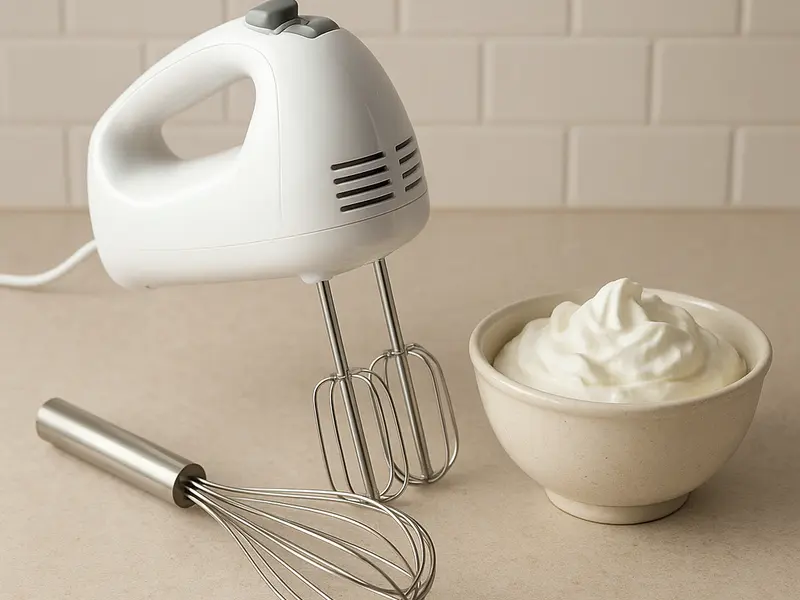
If you bake only sporadically and mostly in small batches, a hand mixer is usually the sensible starting point. If you anticipate making bread dough, heavy cake batters, or large batches of cookies, a stand mixer can save effort and reduce arm strain over time. The key is to match the tool to your typical tasks, not to chase every feature.
For the occasional home baker, the decision often comes down to three practical questions: how large your batches tend to be, how often you need to mix for long periods, and how much counter space you’re willing to dedicate to an appliance. Below you’ll find a clear breakdown of when each option shines, the trade-offs involved, and a concrete checklist you can act on without needing to test dozens of models yourself.
Hand mixer strengths and limits
A hand mixer excels for small, quick tasks. If your typical bake is a single dozen cookies, a light cake, or a batch of frosting, a hand mixer is usually more than capable.
- Pros
- Compact and portable, easy to store
- Generally affordable and simple to use
- Quick to set up and clean after short mixing sessions
- Good for whipping cream, beating eggs, and light batters
- Cons
- Limited power and bowl capacity can make stiff doughs or very thick batters challenging
- Requires you to hold the unit for the duration of mixing, which can cause arm fatigue on longer tasks
- Bowl size is a practical constraint; splatter and splashes are more common if you overfill
- Attachments and speeds can be fewer or less robust than those on a stand mixer
- Typical tasks well suited to a hand mixer
- Whipping cream or meringue
- Mixing cake batters and frostings in smaller bowls
- Quick frostings, dips, and light emulsions
- Small batches of cookie dough or pancake batter in a modest bowl
Stand mixer strengths and limits
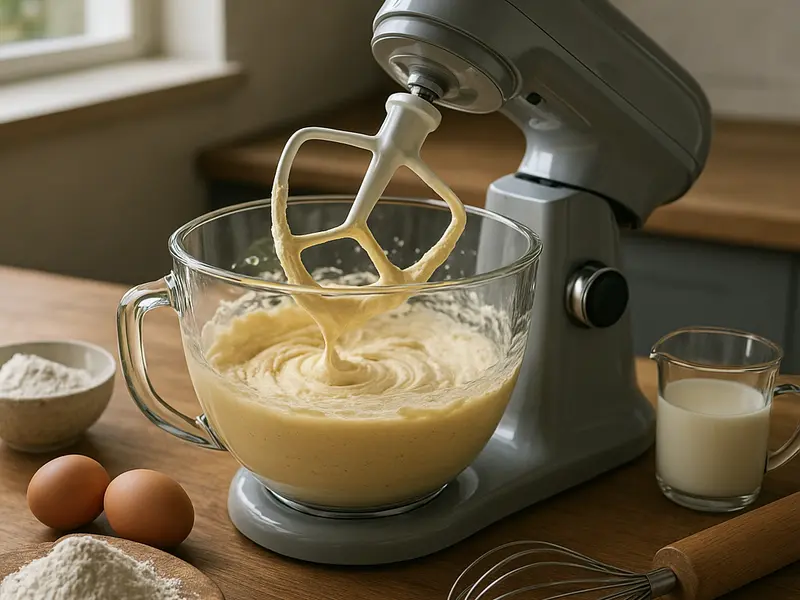
A stand mixer is designed for bigger or more persistent jobs. If you bake with doughs that require kneading or you frequently mix large batters, a stand mixer tends to feel worth the investment.
- Pros
- Large, sturdy motor with higher torque for heavy batters and doughs
- Substantial bowl capacity, often four to seven quarts, reducing splatter and enabling bigger batches
- Hands-free operation, which helps when you need to multitask or mix while adding ingredients gradually
- Versatile attachments (dough hook, flat beater, wire whisk) expand capabilities beyond basic mixing
- Cons
- Heavier and bulkier, requiring dedicated counter space
- Higher upfront cost and longer-term maintenance implications
- Cleaning can be more involved due to larger bowls and several attachment pieces
- Typical tasks well suited to a stand mixer
- Kneading bread dough and pizza dough
- Thick cookie doughs, brownies, or batter for large cakes
- Large batches of frosting, whipped cream, or mashed potato fluff
- Incorporating ingredients gradually while the mixer runs
Practical specs to compare
When evaluating options, focus on concrete, actionable details rather than marketing claims.
- Bowl size and type
- Hand mixers work with small to medium bowls; stand mixers come with larger bowls and a stable base
- Attachments included
- Hand mixers usually include beaters and a whisk; some kits add a dough hook
- Stand mixers typically include a flat beater, a whisk, and a dough hook
- Power and speed settings
- Hand mixers offer a range of speeds, usually with a turbo boost or pulse function
- Stand mixers provide a broad speed spectrum with more consistent power at higher speeds
- Weight and footprint
- Hand mixers are lightweight and easy to stash in a drawer
- Stand mixers are bulkier and may require more counter or cabinet space
- Build materials
- Look for stainless steel beaters and hooks; some cheaper models use coated plastics
- Durability and maintenance
- Stainless attachments tend to last longer with frequent use; consider dishwasher-safe components if you prefer easier cleanup