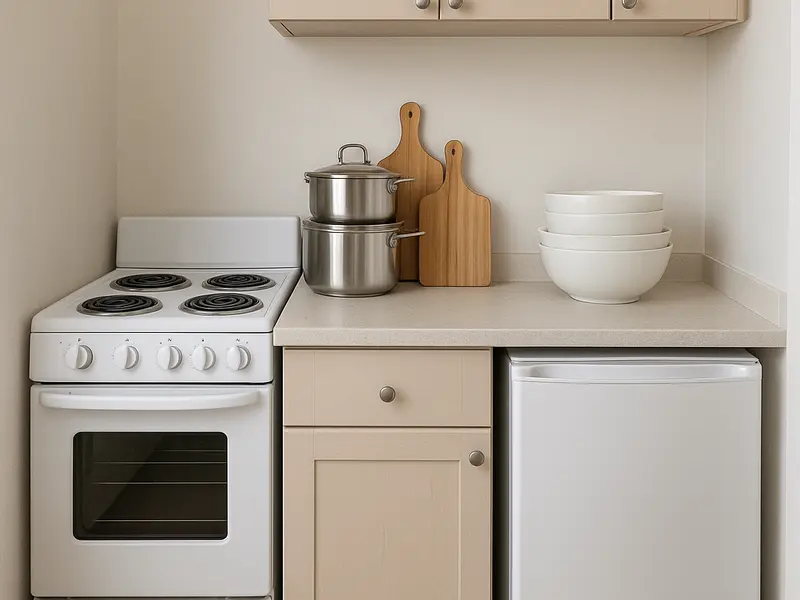
If you're stocking a tiny kitchen, start with a clear plan that matches how you actually cook and how much space you have. This checklist helps you decide what to buy first, what to skip, and how to use every inch of counter and cabinet without turning your apartment into a storage unit.
Related on Amazon · Paid links
-
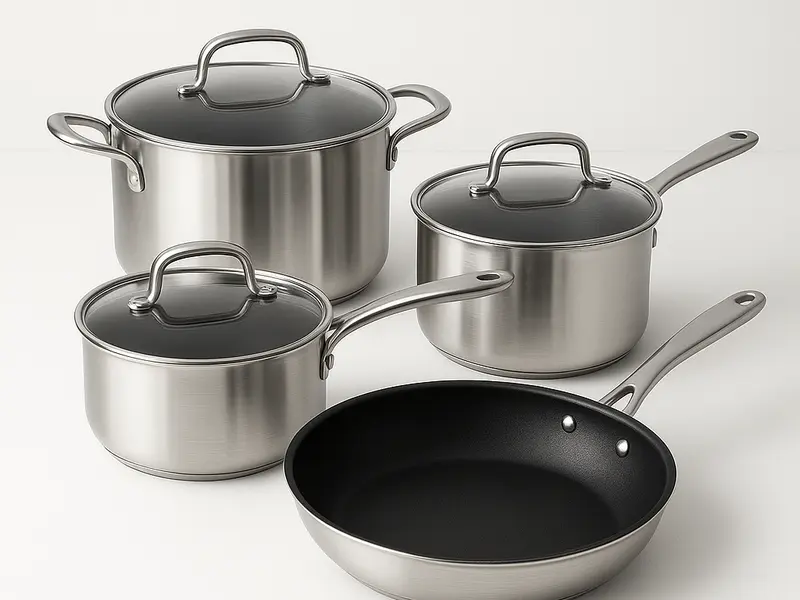 Top-Rated Cookware Sets on Amazon
Browse top-rated cookware set on Amazon — compare prices, features, and customer reviews.
Check price on Amazon
-
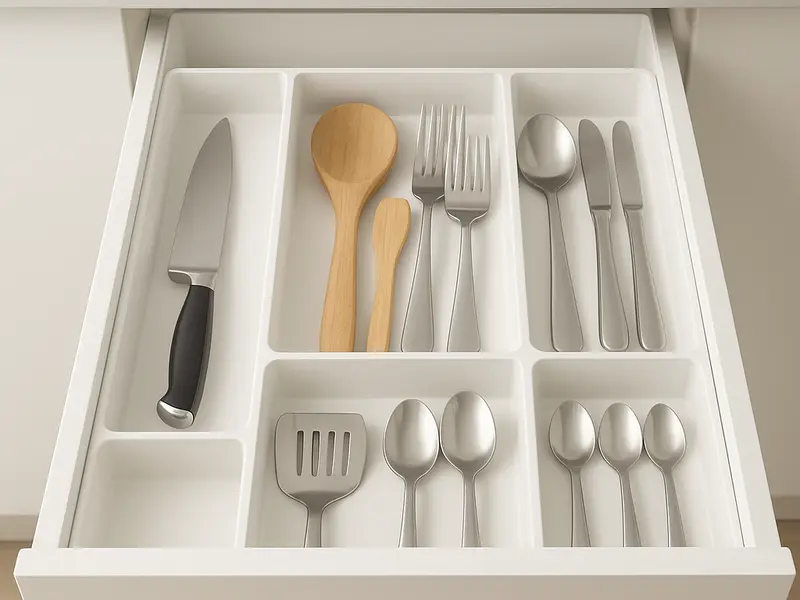 Kitchen Organization Picks on Amazon
Browse top-rated kitchen organization on Amazon — compare prices, features, and customer reviews.
Check price on Amazon
-
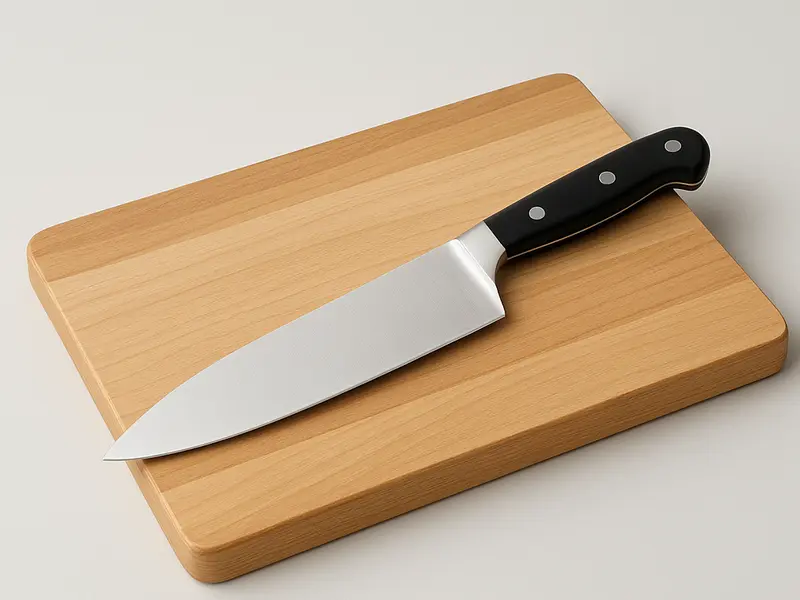 Chef's Knives on Amazon
Browse top-rated chef knife 8 inch on Amazon — compare prices, features, and customer reviews.
Check price on Amazon
We may earn a commission if you buy, at no extra cost to you.
Quick decision framework for small apartment kitchens
- Do you cook daily or mostly reheat and assemble simple meals? If you cook daily, prioritize sturdy basics that last and handle a variety of dishes. If you mostly reheat, a few compact tools that are quick to clean will do.
- How much counter space can you spare for prep and drying? If space is tight, favor foldable, stackable, or nesting items.
- What can your kitchen already do? If you have a stovetop but no oven, a toaster oven or air fryer can fill the gap without taking much space.
- How much cabinet storage do you have? With shallow cabinets or a single shelf, choose multi-use items and vertical storage.
- What maintenance will you tolerate? If you don't have a dishwasher, favor pieces that are quick to wash by hand.
Core categories you should cover
Cooking gear
- A small saucepan for grains and sauces, a medium pot for pasta and soup, and a 10- or 12-inch skillet cover most everyday cooking. Add a larger sauté pan with a lid if you cook for more than two.
- Lids are essential. Make sure you have lids that fit your main pot and pan, and look for pans that share a lid size to save space.
- Materials matter. Stainless steel with an aluminum or copper core heats evenly and lasts for years; hard-anodized aluminum heats quickly and is lightweight; nonstick is easy to clean but needs gentle utensils and moderate heat to last.
- Match your stove. If you have an induction cooktop, check that cookware is labeled induction-compatible. If you're unsure where you'll live next, induction-ready pans work on almost every stove type.
Food prep and serving
- Cutting boards: have at least two, and use one for raw meat, poultry, and seafood and another for produce and ready-to-eat foods, as USDA food safety guidance recommends.
- Knives: a reliable chef's knife and a smaller paring knife cover most tasks. A serrated knife is handy for bread and tomatoes.
- Mixing bowls and measuring tools: nesting bowls save space; include both dry and liquid measuring cups and a set of measuring spoons.
- Utensils: a spatula, tongs, a whisk, a wooden spoon, and a ladle handle most recipes. A wall rail or utensil crock keeps them off the counter.
Small appliances and gadgets
- Microwave or toaster oven: a microwave is the fastest way to reheat but doesn't brown or crisp food (unless it's a combination convection model). A toaster oven can bake, roast, and toast, which matters most if your apartment has no full oven. If you already have an oven, a microwave alone may be enough.
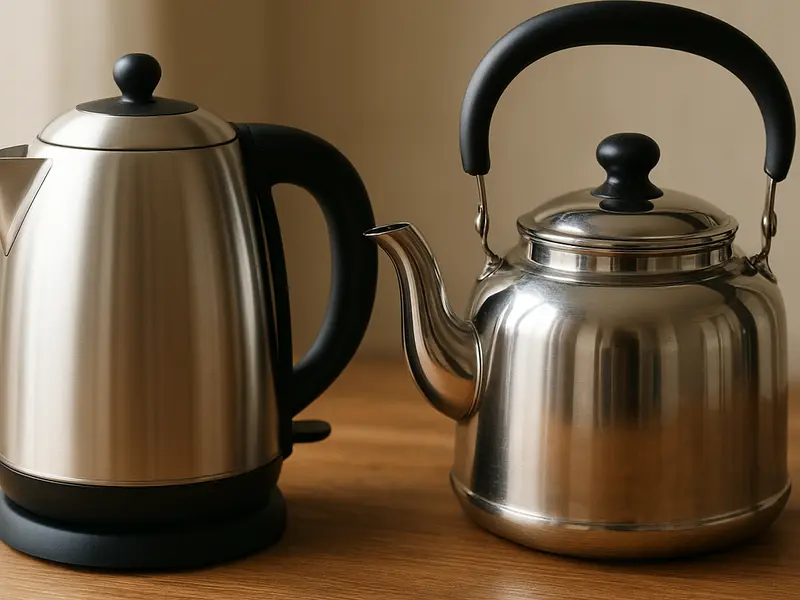
- Electric kettle: a fast way to heat water for coffee, tea, oatmeal, or instant meals.
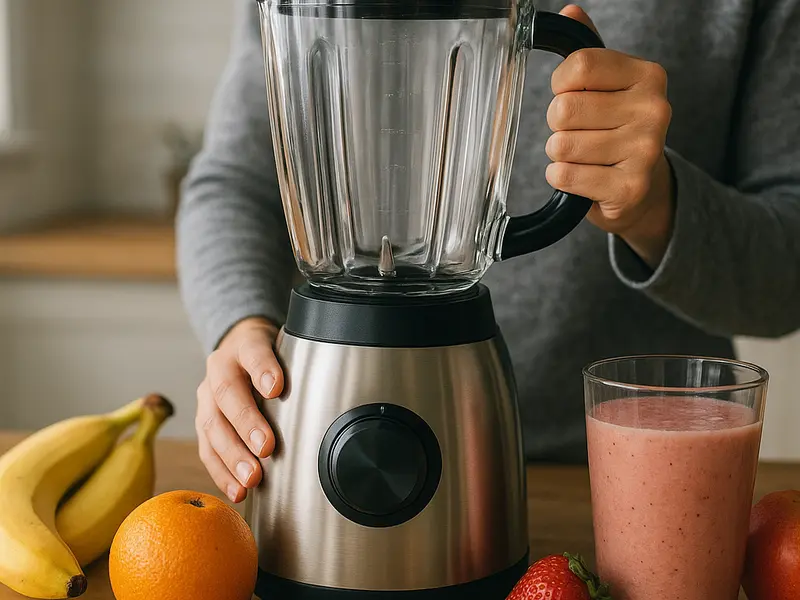
- Blender: an immersion blender handles soups, sauces, and smoothies and stores in a drawer; a compact countertop blender is better for frozen drinks.
- Specialty tools: a mini food processor can replace several gadgets, but only buy it if your usual recipes call for chopping or pureeing. Avoid duplicates and one-task gadgets you rarely use.
Storage and organization
- Food storage containers: choose a set with airtight lids in a few sizes that stack or nest. Clear containers make it easy to see leftovers before they're forgotten.
- Under-sink and cabinet storage: use shelf risers, pull-out organizers, and a magnetic strip for knives to free counter space.
- Vertical solutions: pegboards, wall rails, and over-door organizers keep frequently used items within reach without occupying the counter.
Cleaning and maintenance
- Dish rack: a compact, properly sized rack or a roll-up rack that sits over the sink dries dishes without sprawling across the counter.
- Trash and recycling: a slim bin with a lid controls odors and fits beside a cabinet or under the sink.
- Cleaning supplies: keep detergent, sponges, and brushes in a small caddy that's easy to grab and put away.
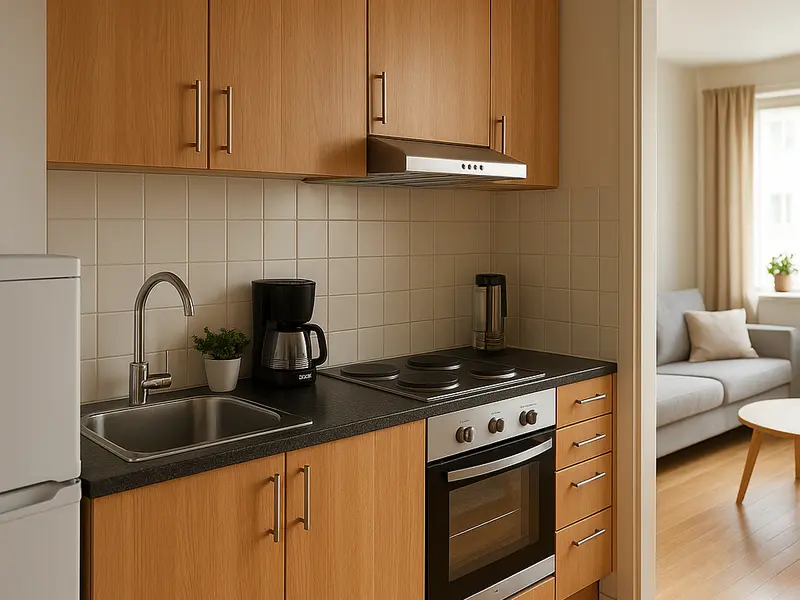
Safety and ergonomics
- Ventilation: use your range hood or open a window while cooking, and keep a heat-safe spot or trivet for hot pans so they don't crowd the stove.
- Non-slip footing: if you use a rug or mat near the sink or stove, choose one with a non-slip backing.
- Fire safety: keep a lid or baking sheet next to the stove. Fire safety agencies advise smothering a small pan fire by sliding a lid over it and turning off the burner, never using water on a grease fire, and keeping the door closed and the heat off for an oven fire. A home fire extinguisher rated for kitchen use is a good addition; learn how to use it before you need it, and if a fire isn't going out, get out and call the fire department.
- Outlets: plug heat-producing appliances such as kettles, toaster ovens, and air fryers directly into wall outlets rather than extension cords or power strips, and avoid running several of them on the same outlet at once.
Honest downsides, trade-offs, and when not to buy
- Bigger isn't always better: in a tiny kitchen, oversized pots, a large countertop oven, or a stand mixer can crowd your work area. If you rarely cook beyond reheating, don't fill gaps with high-maintenance pieces.
- Nonstick caveats: nonstick simplifies cleanup but wears with metal utensils and high heat. If you often sear or brown, add a cast iron or stainless steel skillet.
- Multi-use versus specialized: multi-use tools save space but can underperform dedicated equipment. If you bake often, a few dedicated pieces may earn their space.
- Oven gadgets: if your kitchen lacks an oven, it's easy to over-buy gadgets that imitate one. Choose one versatile appliance, such as a toaster oven or air fryer, rather than several.
- Maintenance demands: cast iron needs seasoning and drying, and wooden tools need hand washing. If you dislike upkeep, choose stainless steel and dishwasher-safe pieces.
Practical detail you can actually use
- Measure before you buy: check counter depth, cabinet height, and under-sink clearance. If a shelf is shallow, prioritize nesting and stackable designs.
- Materials: stainless steel is durable and usually dishwasher-safe but heavier; hard-anodized aluminum is lighter; a nonstick skillet is convenient but plan to replace it every few years as the coating wears.
- Knife storage: a magnetic strip or small knife block keeps blades sharp and out of drawers where they can cut fingers.
- Appliances and power: older apartments may have few outlets and limited circuits. If running a kettle and a toaster oven together trips a breaker, use them one at a time.
- Cleaning footprint: wipe-clean finishes and racks or mats that fold away keep the counter clear for prep.
- Common mistakes to avoid: buying tools that duplicate each other, ignoring lid compatibility, and buying sets with pieces you'll never use.
A practical starter kit versus an expanded kit
- Minimal starter kit: one skillet, one small saucepan, one medium pot, lids for each, a chef's knife and a paring knife, two cutting boards, a set of nesting bowls, measuring cups and spoons, basic utensils, a compact dish rack, an electric kettle, and a stackable set of storage containers.
- Expanded kit for frequent cooks or guests: add a toaster oven or air fryer if you have space, a larger sauté pan, a sheet pan, a colander, more storage containers, and an immersion blender or mini food processor if your recipes call for them.
How to shop and compare
- Define your must-haves first: list the items you use in a typical week and buy those before anything else.
- Check fit before buying: compare dimensions against your counter and cabinet openings, leaving room to open lids and doors.
- Favor items that store easily: nesting pieces, stackable containers, and wall-mounted storage free counter space.
- Evaluate ease of maintenance: choose items with simple cleaning routines and finishes that resist staining and rust.
- Value versatility: choose pieces that do more than one job so you can cook more recipes without growing the collection.
In short, the key to a small apartment kitchen is balancing flexibility with restraint. Start with an honest look at how you cook, measure your space, and invest in a compact set of versatile tools that handle most everyday meals. Revise the kit as your habits and living situation change. The goal is a kitchen that supports your routine without a drawer full of gadgets you never use.