In compact living spaces, a vacuum has to fit into daily life without becoming a storage burden. The choice between a robot vacuum and a stick vacuum hinges on your layout, your floor types, and how much you value automation versus hands-on control. For many renters and condo owners, the sweet spot is a plan that balances easy daily upkeep with occasional deeper cleaning, rather than expecting one device to do everything.
Related on Amazon · Paid links
-
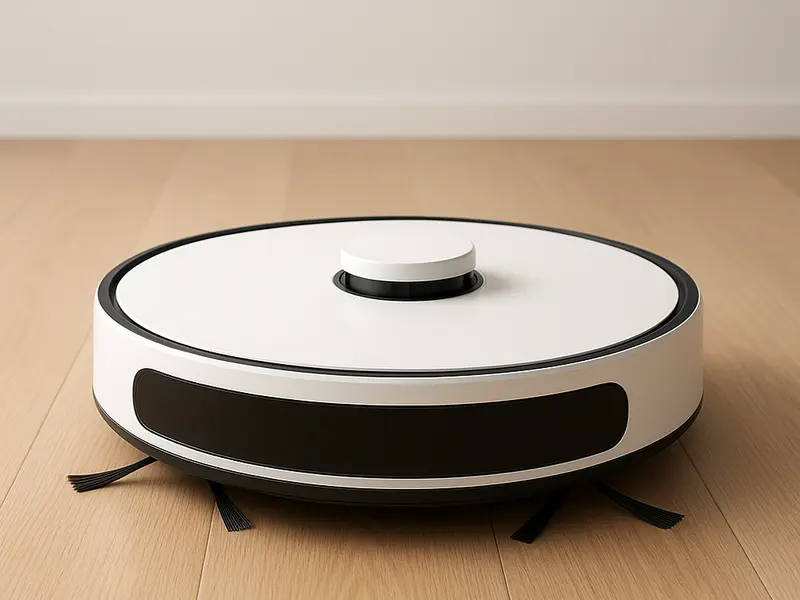 Robot Vacuums on Amazon
Browse top-rated robot vacuum on Amazon — compare prices, features, and customer reviews.
Check price on Amazon
-
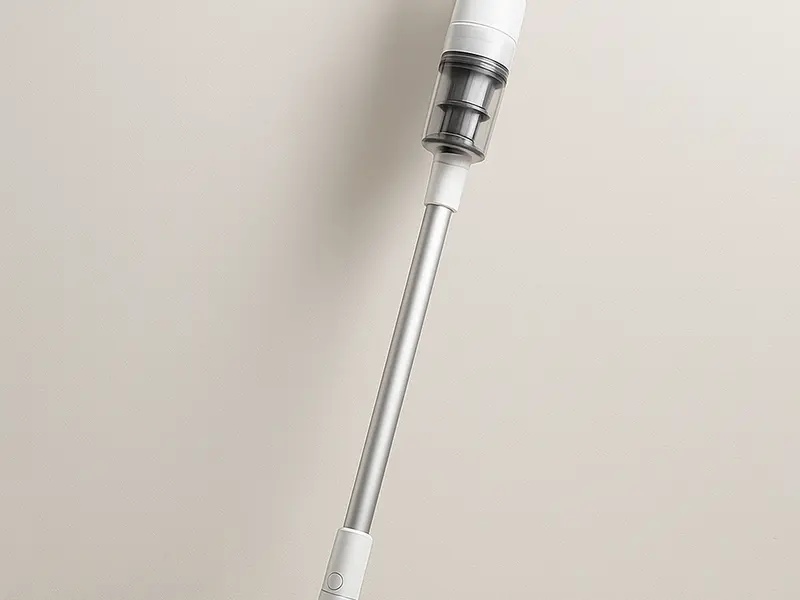 Cordless Stick Vacuums on Amazon
Browse top-rated cordless stick vacuum on Amazon — compare prices, features, and customer reviews.
Check price on Amazon
We may earn a commission if you buy, at no extra cost to you.
What small homes demand from a vacuum
Small homes often mix hard floors with a rug or two, have tight corners and furniture close together, and sometimes include stairs or a loft. That pushes you to think about reach, navigation, and storage. A device that takes up little space when stored is a plus, as is one that reduces your chores rather than adding new ones, such as constant bin emptying or untangling cords.
How robot vacuums work in small homes
What robot vacuums do well
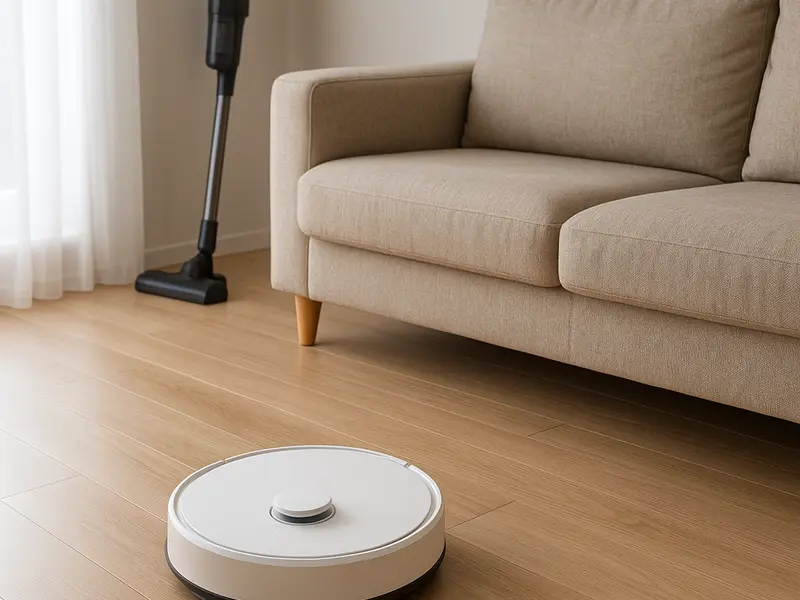
Robot vacuums are best at routine maintenance. Many glide under sofas, beds, and coffee tables that are hard to reach with other vacuums, and scheduling a daily run keeps dust, crumbs, and pet hair from building up on hard floors and low rugs.
Key capabilities and limitations
- Navigation and mapping: many mid-range and premium robots use lidar or camera-based mapping to build a floor plan, clean in efficient rows, and let you set no-go zones in an app. Budget models often use simpler sensors and move in less predictable patterns, which can miss spots or repeat areas.
- Docking and charging: the robot returns to its dock to recharge. Manufacturers specify clear space around the dock, so check the manual and pick a spot that the robot can reach easily from the main cleaning area.
- Bins and self-emptying: robot bins are small, so you'll empty them often if you have pets. Self-emptying docks reduce that chore but take more floor space and use replacement bags.
- Floors and thresholds: most robots handle hard floors and low-pile rugs well. Thick rugs, high thresholds, and dark rugs that confuse cliff sensors can cause problems; check a model's specified threshold height against your doorways.
- Preparing the floor: robots get stuck on cords, socks, phone chargers, and pet toys, so a quick pickup before each run matters.
- Stairs: typical robot vacuums can't clean stairs, and in a multi-level home you'll need to carry the robot between floors or use a second tool.
- Privacy: some mapping robots use cameras. If that concerns you, review the privacy settings and data policy before you buy.
- Maintenance: you'll still need to clear hair from the brushes, wipe the sensors, empty the bin, and replace filters and side brushes periodically.
How stick vacuums fit the compact living style
Practical strengths of a stick vacuum
Cordless stick vacuums offer instant pickup for spills, pet hair, and dirt tracked in from outdoors. They're good for stairs, edges, and baseboards because you can lift and maneuver them easily, and many convert to a handheld for furniture, car seats, and shelves. In small homes, their light weight and quick setup can make a midweek clean take minutes.
Trade-offs to consider
- Weight and fatigue: even light sticks can tire your wrist on a long whole-home clean, because most of the weight sits near your hand.
- Battery life: cordless sticks are best for quick cleans. Runtime varies a lot by model and drops sharply on the highest power setting, so check the runtime at the setting you'll actually use.
- Bin capacity: most sticks have small bins and need emptying more often than full-size vacuums.
- Edges and corners: sticks reach tight spots, furniture legs, stairs, and upholstery far better than robots.
- Convenience: there's no automation, so every clean is manual. In exchange, there's no setup beyond charging and choosing attachments.
A practical decision framework
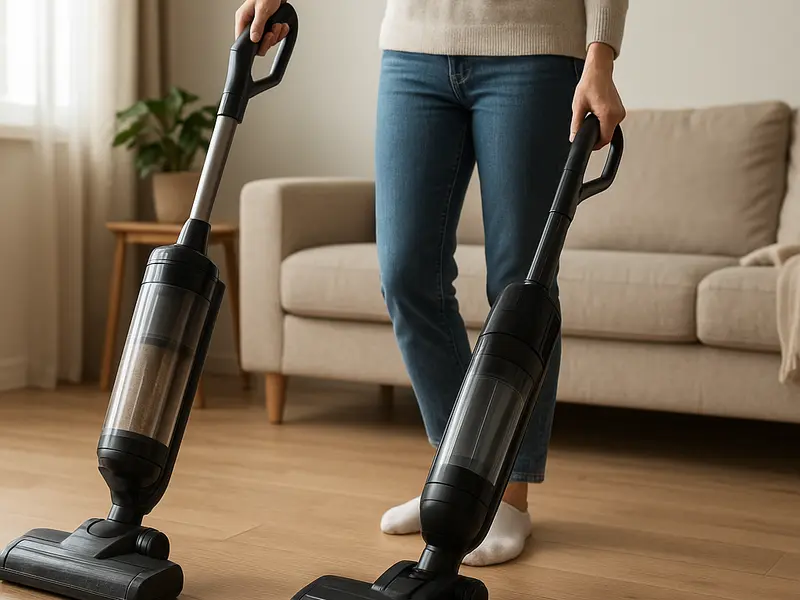
If you are deciding between a robot vacuum and a stick vacuum for a small home, work through these questions.
- Layout and clutter: if your space is mostly open with clear floors, a robot can handle daily upkeep with little effort. If you have lots of clutter, cords, tight corners, or stairs, a stick vacuum is more reliable.
- Floor types: for hard floors and low-pile rugs, both work, and robots excel at frequent maintenance runs. For thick rugs or carpet, a stick with a strong motorized head, or a full-size vacuum, will clean more deeply.
- Pets and shedding: daily robot runs help keep loose hair under control on floors, but you'll still need a stick or handheld for furniture, stairs, and pet beds.
- Storage: a robot lives under furniture or on its dock; a stick vacuum needs a wall mount or closet space near an outlet for charging.
- Time and routine: if you want automated, scheduled cleaning while you're out, a robot is the better fit. If you prefer quick spot cleans on demand, a stick vacuum is faster to grab.
- Maintenance: robots need bin emptying, brush care, sensor cleaning, and occasional replacement parts. Sticks need bin emptying, filter cleaning, brush care, and eventually a replacement battery.
Real-world use cases and trade-offs
- If you live in a studio apartment with mostly hard floors and few rugs, a robot vacuum for daily runs plus a stick for spills and edges is a low-effort combination.
- If your home has a couple of small rooms and a flight of stairs, a stick vacuum makes sense as your main tool, with a robot as an optional extra for daily floor runs while you're at work.
- If pet hair is a constant battle, a robot for daily floor upkeep and a capable stick or handheld for furniture and stairs reduces how often you need a full clean.
- If you have more than one level, a robot can handle the main floor while you use a stick on the other levels and the stairs.
Setup tips and maintenance notes
- Dock placement: put the robot's dock against a wall on a hard floor, with the clearance the manual specifies, in a spot the robot can reach easily.
- Mapping and boundaries: use no-go zones or physical barriers to keep the robot away from pet bowls, cords, and delicate rugs.
- Brush care: clear wrapped hair from brushes regularly, more often if you have pets, since tangles reduce pickup.
- Bins and filters: empty the robot's bin and the stick's bin regularly and clean or replace filters as recommended.
- Charging: keep the dock unobstructed and the stick on its charger so both are ready when you need them.
- Trial run: after setup or a furniture change, watch the robot's first run to spot places where it gets stuck.
When not to buy one option or the other
- Don't rely on a robot vacuum alone if you have lots of carpet, stairs, or a cluttered floor. It won't reach every area with the thoroughness of a manual clean.
- Don't buy a robot if you can't give it a suitable dock spot or if you rarely have clear floors for it to run on.
- Don't expect a stick vacuum to give you hands-off cleaning; every clean depends on you.
- Consider the cost and storage of two devices. If space is scarce, one versatile stick vacuum with a handheld mode may be the better buy.
Final decision guidance for small homes
- If automation and hands-off daily upkeep matter most, start with a compact robot vacuum and add a lightweight stick or handheld for stairs and furniture.
- If you value reach and control and don't mind doing the cleaning yourself, a good stick vacuum alone covers most small-home needs.
- If you live in a small apartment with mostly hard floors and clear spaces, a robot alone may handle most of the work, provided you choose one with reliable navigation.
- If you're still deciding, the common hybrid works well: a robot for daily maintenance and a stick vacuum for weekly deeper cleans and quick spot work.
In short, small-home cleaning favors a deliberate mix of automation and manual reach. A robot vacuum can take over the daily grind on open floors, while a stick vacuum remains the tool for stairs, upholstery, and spot cleaning. Base your choice on how much you want to automate, how many levels you clean, and how cluttered or carpeted your floors are.