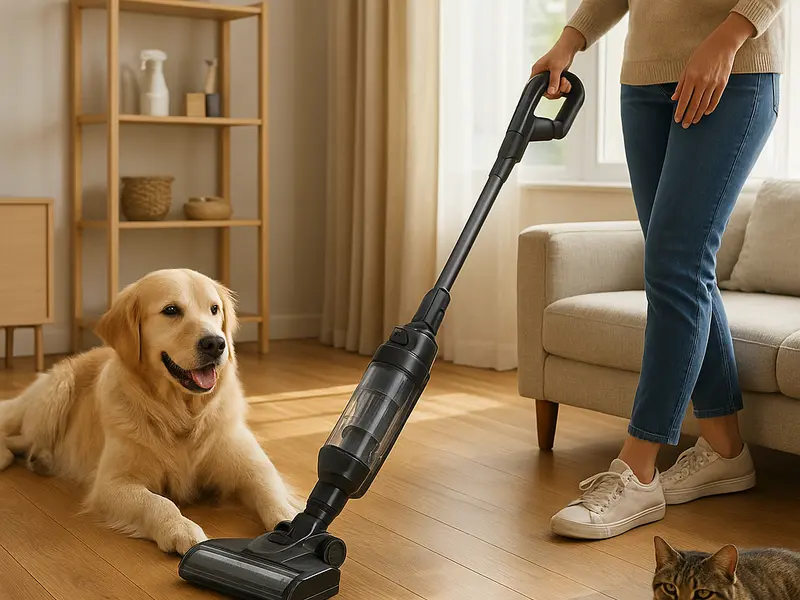
If you are choosing a vacuum for pet hair, the decision should hinge on where the hair collects, how much your pets shed, and how often you need to reach stairs, furniture, and tight corners. The goal is to balance strong suction with a brush roll that handles fur without tangling, good filtration if anyone in the home has allergies, and practical tools for furniture, pet beds, and cars. Read on to match concrete situations to concrete features.
Related on Amazon · Paid links
-
 Vacuums for Pet Hair on Amazon
Browse top-rated vacuum for pet hair on Amazon — compare prices, features, and customer reviews.
Check price on Amazon
-
 Top-Rated HEPA Air Purifiers on Amazon
Browse top-rated hepa air purifier on Amazon — compare prices, features, and customer reviews.
Check price on Amazon
We may earn a commission if you buy, at no extra cost to you.
Decision framework: what to prioritize
- Strong, steady suction across your floor types
- A motorized, tangle-resistant brush roll
- A sealed system with a HEPA filter if allergies are a concern
- Easy maintenance: simple emptying, easy brush-roll cleaning, washable or easily replaced filters
- Attachments for pet beds, upholstery, stairs, and car interiors
- Weight and maneuverability for stairs and multi-level homes
- Noise level, for your comfort and for noise-sensitive pets
Use-case driven recommendations
If you have short-haired pets and mostly hard floors
Choose a vacuum with a hard-floor setting or a brush roll you can switch off, or a soft-roller head designed for hard floors. A spinning bristle brush on bare floors can scatter hair and debris instead of picking it up. A good crevice tool helps with baseboards and corners, where short hair tends to collect.
If you have long-haired pets or heavy seasonal shedding
Prioritize a motorized brush roll designed to resist hair wrap, such as a bristle-free or self-detangling design, and a larger bin or bag so you aren't emptying it every few minutes during shedding season. Long hair wraps around ordinary brush rolls and can reduce pickup or stall the roll, so easy brush-roll removal matters.
If you live with multiple pets and a mix of carpet and rugs
Look for strong suction on carpet, adjustable height or power settings, and a motorized pet tool for upholstery and stairs. Carpet holds fur deep in the pile, so a capable powered head makes a real difference.
If you are in an apartment or need quieter operation
A lighter, quieter model is often worth a small trade-off in raw power, especially if your pets are anxious about noise. Compact cordless sticks and canisters are easier to store and move around a small space.
If you frequently clean stairs and upholstery
A long hose, a flexible wand, and a small motorized pet tool make a big difference. A detachable handheld vacuum is handy for car seats, cushions, and pet beds.
Types of vacuums and what to expect
Upright vacuums
Uprights are typically strong on carpets and rugs and easy to push across large rooms. A good pet model will have a motorized brush roll, a way to turn the brush off for hard floors, and a sealed filtration system. Downsides are weight and less flexibility on stairs and in tight spots.
Canister vacuums
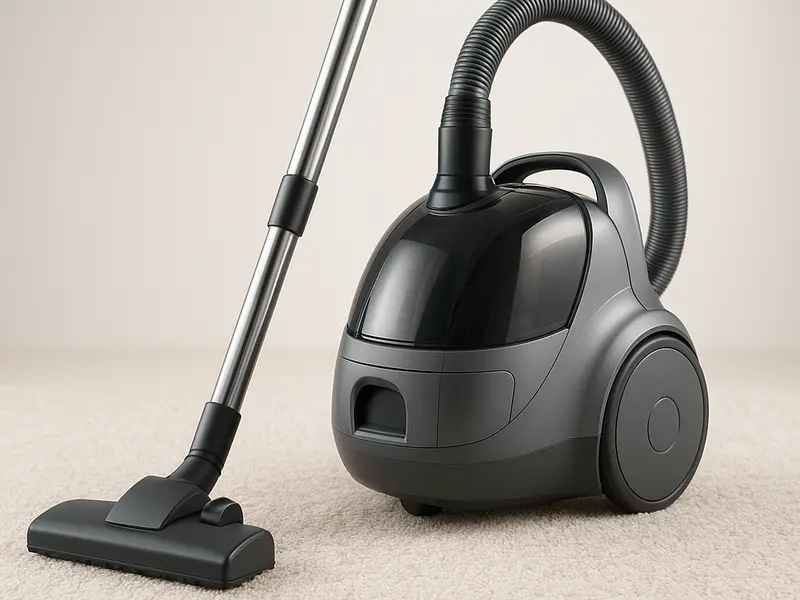
Canisters separate the motor body from a lightweight wand and cleaning head, which makes stairs, under-furniture cleaning, and upholstery easier. They suit homes with a mix of hard floors and carpet. For pet hair on carpet, look for one with a powered brush head; some canisters use suction-only heads that are weaker on fur. They take more storage space than a stick vacuum.
Stick vacuums
Cordless sticks are light and convenient for quick daily pickups of hair, which helps between deeper cleans. They usually have smaller bins and limited runtime, so they may need recharging or emptying mid-clean in larger homes. For pet hair, look for a motorized head with anti-tangle features and a model that converts to a handheld for furniture.
Handheld vacuums
Handhelds are the go-to for car interiors, pet beds, and cushions. They work best with a small motorized pet tool. Limited runtime and small bins make them a supplement rather than a main vacuum.
Key features to consider
- Motorized brush roll with an anti-tangle design
- Sealed system and HEPA filter if allergies are a concern. A true HEPA filter, as defined by the U.S. Department of Energy standard, captures at least 99.97% of particles 0.3 microns in size, but it only helps if the vacuum's body is sealed so air doesn't leak around the filter.
- Easy emptying and washable or easily replaced filters
- Adjustable suction or height for delicate rugs and thick carpet
- Flexible hose and wand for upholstery and stairs
- Tools: crevice tool, upholstery nozzle, dusting brush, and a motorized pet tool
- Available replacement parts such as filters, brush rolls, belts, and batteries
Common mistakes and pitfalls to avoid
- Choosing a vacuum that works well on one floor type but poorly on the others you have
- Skipping a sealed HEPA system when someone in the home has allergies
- Underestimating how much hair wraps around an ordinary brush roll
- Buying a very small bin and then emptying constantly during shedding season
- Ignoring weight and maneuverability, which makes stairs and multi-level homes tiring to clean
Quick decision checklist
- Is there a motorized brush roll, and can it be turned off or swapped for hard floors?
- Is the system sealed, with a HEPA filter, if allergies matter?
- Are tools included for furniture, stairs, and car interiors?
- Is the vacuum comfortable to push or carry, including on stairs?
- Can you easily remove hair from the brush roll and empty the bin without a cloud of dust?
- Are replacement filters, brush rolls, and batteries easy to get where you live?
- Is the noise level acceptable for you and your pets?
- Will it fit in your storage space?
Maintenance and practical detail
- Check the brush roll for wrapped hair regularly, and more often during heavy shedding.
- Empty the bin before it reaches the max fill line, since an overfull bin reduces suction, and wash or replace filters as the manufacturer recommends.
- Inspect hoses and wands for clogs and cracks, especially if suction drops suddenly.
- Check seals and gaskets around the bin and filter; worn seals let dust escape and reduce filtration.
- Keep spare filters, and belts if your model uses them, on hand for shedding season.
Bottom line
Choosing a vacuum for pet hair comes down to matching your home's layout and your pets' shedding with a machine that keeps strong suction, resists hair tangles, and filters well. Prioritize a motorized, tangle-resistant brush roll, a sealed HEPA system if allergies are a concern, and the right tools for furniture and stairs. For mixed floors and carpet, a good upright or a canister with a powered head will usually cover most needs. For apartments or noise-sensitive pets, look for a lighter, quieter model with good reach. For heavy shedding, a cordless stick for daily pickups plus a handheld for furniture and cars is a practical combination. Use the checklist above and keep up with maintenance, and you'll end up with a vacuum that actually removes pet hair instead of just moving it around.