If you cook regularly and want a single versatile tool, a well-chosen chef's knife can cover most tasks, from chopping onions to slicing a roast. The decision should hinge on how the knife fits your hand and your cooking, not on brand buzz, because size, shape, and handling matter far more than flashiness.
Related on Amazon · Paid links
-
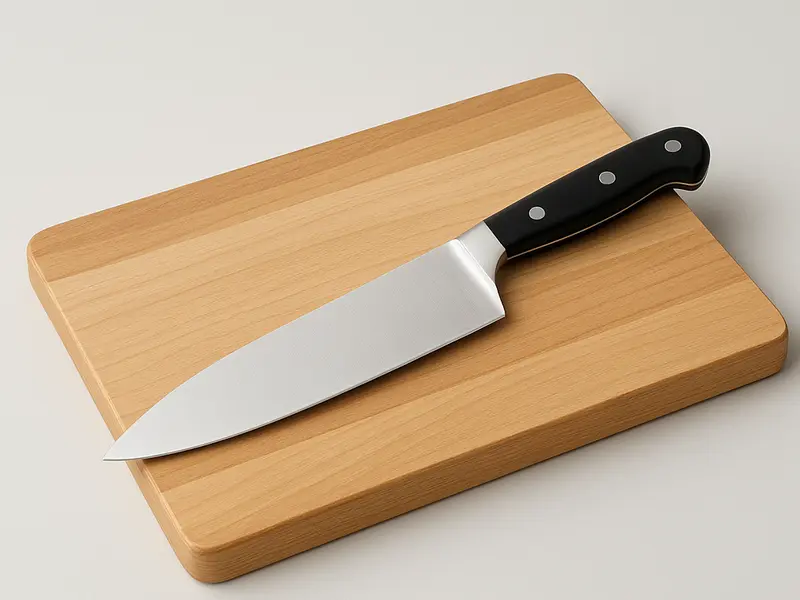 Chef's Knives on Amazon
Browse top-rated chef knife 8 inch on Amazon — compare prices, features, and customer reviews.
Check price on Amazon
-
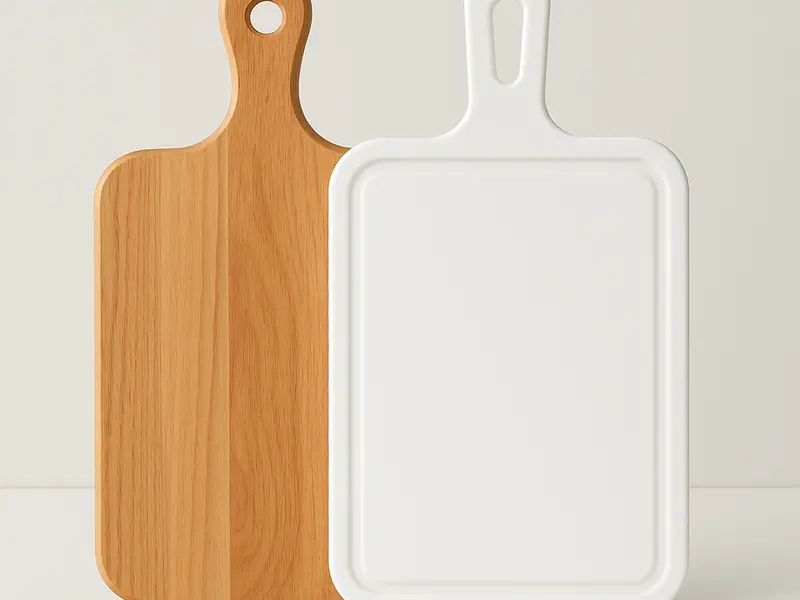 Cutting Boards on Amazon
Browse top-rated cutting board on Amazon — compare prices, features, and customer reviews.
Check price on Amazon
-
 Top-Rated Cookware Sets on Amazon
Browse top-rated cookware set on Amazon — compare prices, features, and customer reviews.
Check price on Amazon
We may earn a commission if you buy, at no extra cost to you.
What matters most when choosing a chef's knife for home cooking
A chef's knife is a workhorse tool, and a good fit should feel like an extension of your hand. The right choice balances comfort, control, and durability for the tasks you actually perform. A knife that feels right in your grip is usually the one you will use well and keep in good shape, which matters more than a premium blade you dislike using every day.
Blade length and weight
- Eight inches is the most common all-round length for a home kitchen. It covers a wide range of tasks without becoming unwieldy for most hands.
- Six inches suits cooks with smaller hands, smaller cutting boards, or tasks that call for close control, like trimming small vegetables.
- Ten-inch blades can speed up larger jobs such as big melons or cabbages, but they need more board space, more storage space, and a bit more confidence to control.
- Weight is a matter of preference. A heavier knife does more of the work on dense vegetables, while a lighter knife feels nimble for fine chopping. If you have arthritis, limited grip strength, or wrist discomfort, a lighter, well-balanced knife with a comfortable handle is often easier to manage, so try a few before you buy.
Blade material and edge style
- High-carbon stainless steel is a practical default for most home cooks: it holds an edge reasonably well and resists rust and staining better than plain carbon steel.
- Harder steels, common on many Japanese-style knives, can hold an edge longer but are more prone to chipping if twisted or used on bones, and they can be harder to sharpen without good stones.
- Plain edges are predictable for general chopping and slicing. A Granton or hollow edge has a row of shallow scallops along the side of the blade that create small air pockets, which can help thin slices of starchy or moist foods such as potatoes release from the blade. The scallops are on the side of the blade, not the cutting edge, so they do not change how you sharpen.
- No single feature guarantees a long life. A well-cared-for knife in a softer steel with a comfortable handle can serve you better than a fancier steel that is poorly maintained or badly balanced for your grip.
Handle and tang design
- A full tang, where the steel runs through the whole handle, is a common sign of sturdy construction and often helps balance. Many well-made knives, including some Japanese styles, use partial or hidden tangs, so judge the knife as a whole rather than on this one detail.
- Handle material affects grip and care. Wood looks attractive but needs to be kept dry and occasionally oiled. Synthetic and composite handles resist moisture and are easier to keep clean.
- Handle shape matters for control. Some cooks prefer a contoured grip; others like a straighter, simpler profile. If you have small hands, check how the handle sits in your palm before buying.
Balance and maintenance
- Most cooks find a knife comfortable when it balances near the point where the thumb and index finger pinch the blade. A well-balanced knife reduces fatigue and improves control during long prep sessions.
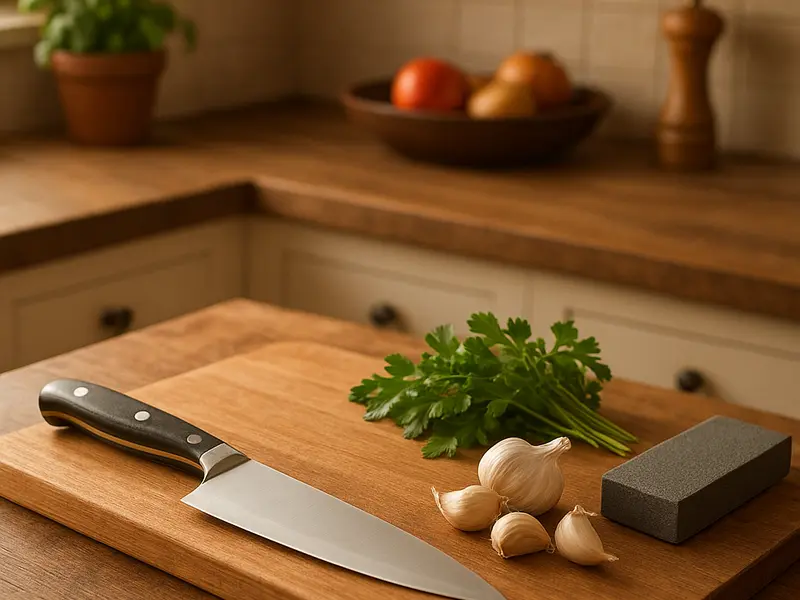
- Honing between uses keeps the edge aligned, while periodic sharpening removes metal to restore a dull edge. How often you need each depends on use, steel type, and cutting surface.
- Knife makers such as Victorinox recommend washing large kitchen knives by hand and drying them right away, even when a model is labeled dishwasher-safe, to protect the edge and the handle. Wooden handles should not go in the dishwasher.
- Storage matters as much as the blade. A blade guard, magnetic strip, or knife block prevents nicks and accidental cuts. A dull edge is not safer: it takes more force, which makes slips more likely.
Real-world use cases and practical guidance
- If you do a lot of vegetable prep, look for a blade with enough height to give your knuckles clearance on the board and to scoop up chopped food, with a tip fine enough for mincing garlic or dicing onions.
- If you often trim meat or fish, a thinner, sharp blade helps. For regular boning or filleting, a dedicated boning or fillet knife does the job better than any chef's knife.
- If you like a rocking chop on a wide board, a slightly heavier blade with a curved belly keeps a steady rhythm. If you mostly do precise slicing, a lighter blade with a flatter profile may feel more responsive.
- If you share a kitchen with others, a corrosion-resistant blade with a secure, non-slip handle is forgiving of different users and different washing habits.
When to consider alternatives
- If you cook only occasionally or mostly reheat prepared meals, a good paring knife and a serrated utility knife may cover what you need.
- If you dislike sharpening, choose a stainless blade in a moderately hard steel that is easy to touch up with a simple sharpener, and plan on an occasional professional sharpening.
- If you have limited hand strength or mobility, try before you buy. A lighter, well-balanced knife with a gentle handle profile is often more practical than a heavy, showpiece model.
How to compare options in practice
- Identify your primary tasks: vegetables, proteins, or a mix. For mixed use, an eight-inch blade is a sensible starting point.
- Check the handle fit in your own grip. If you can, hold the knife and mimic a chopping motion; a knife that feels natural encourages good technique and reduces the risk of slips.
- Compare edge performance without relying on marketing claims. Look for owner reports on how easily the knife sharpens and how long the edge lasts in normal use.
- Review care expectations. If you will wash by hand, confirm the blade resists corrosion and the handle stays secure. If you insist on a dishwasher, check that the maker explicitly allows it and expect the edge to dull faster.
- Consider long-term costs. A blade that dulls quickly or needs frequent professional sharpening can cancel out a low purchase price. Check whether the maker offers a reasonable warranty.
Decision checklist
- Primary tasks you perform most often
- Blade length you feel comfortable using daily
- Steel type and its maintenance needs
- Edge style and how it suits your typical foods
- Tang construction and handle comfort
- Balance point relative to your grip
- Ease of care and your washing habits
- Warranty or support from the maker
Honest downsides, trade-offs, and when not to buy
- A Granton edge helps with sticking on starchy foods, but it adds little for everyday chopping, so don't pay a large premium for it alone.
- Harder steels keep an edge longer but are more challenging to sharpen and more likely to chip. If you are new to sharpening, a slightly softer stainless steel is easier to maintain with a basic stone or sharpener.
- Heavier and longer blades can tire the wrist during long sessions. If you have a small kitchen or limited prep, a lighter eight-inch or six-inch blade is often the better choice.
- High-end does not guarantee better results for every cook. A well-balanced midrange knife that suits your hand often outperforms a premium blade that doesn't.
- If you cook only occasionally, a block full of specialty knives wastes space and money. A chef's knife plus a paring knife covers most home tasks.
Practical care and common mistakes to avoid
- Hone regularly to keep the edge aligned between sharpenings, but don't expect honing to replace sharpening once the edge is truly dull.
- Sharpen at a consistent angle that matches the knife; a few careful passes on a stone or a guided sharpener usually restore performance. Inconsistent angles or aggressive grinding can damage the edge.
- Avoid abrasive cleaners and heat. Wash gently, dry promptly, and the blade and handle will stay in good condition.
- Don't use the blade for jobs it wasn't designed for, such as prying open containers, cutting bones, or hacking through frozen food, which can chip or roll the edge.
- Store the knife safely when not in use. A loose blade in a drawer dulls quickly and is easy to grab by mistake.
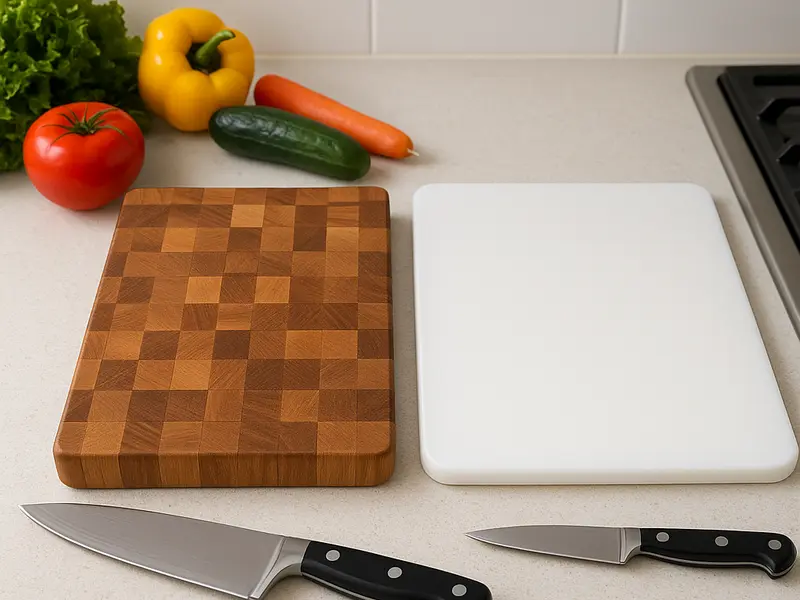
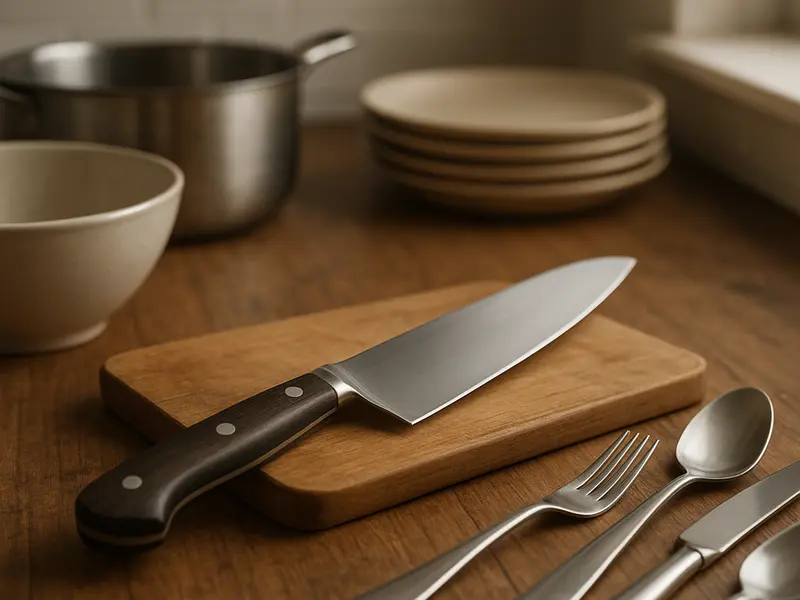
- Cut on wood or plastic boards. Glass, stone, and ceramic surfaces dull an edge very quickly.
If you approach this decision with clear use cases and a focus on comfort and maintenance, you will find a chef's knife that stays reliable in daily kitchen life. The best choice is the one you reach for without hesitation, because routine cooking benefits most from consistency and ease of use rather than from chasing the latest trend.