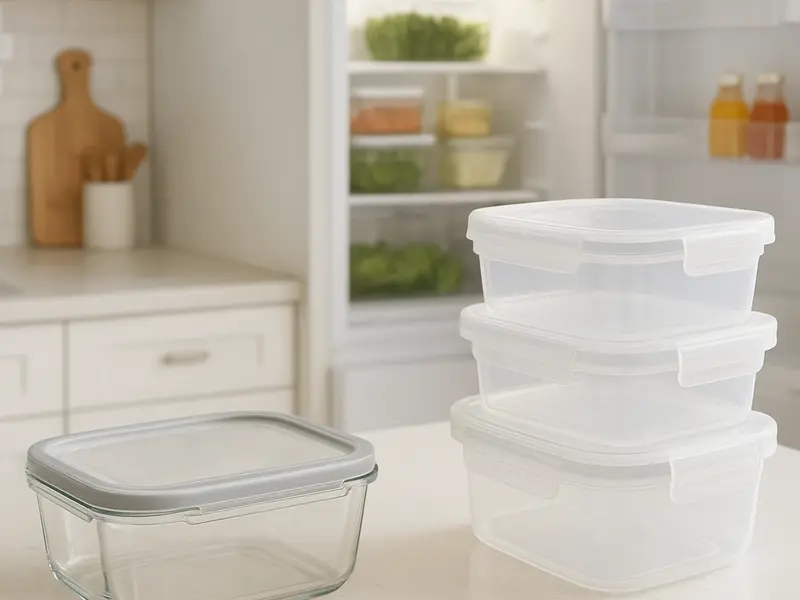
If your priority is long-term storage, reheating in the same dish, and resisting stains and odors, choose glass. If you need lightweight, inexpensive containers for carrying meals and packing lunches, choose plastic. Both have real strengths, and many kitchens end up with some of each. The best pick depends on how you cook, store, and heat your food.
Related on Amazon · Paid links
-
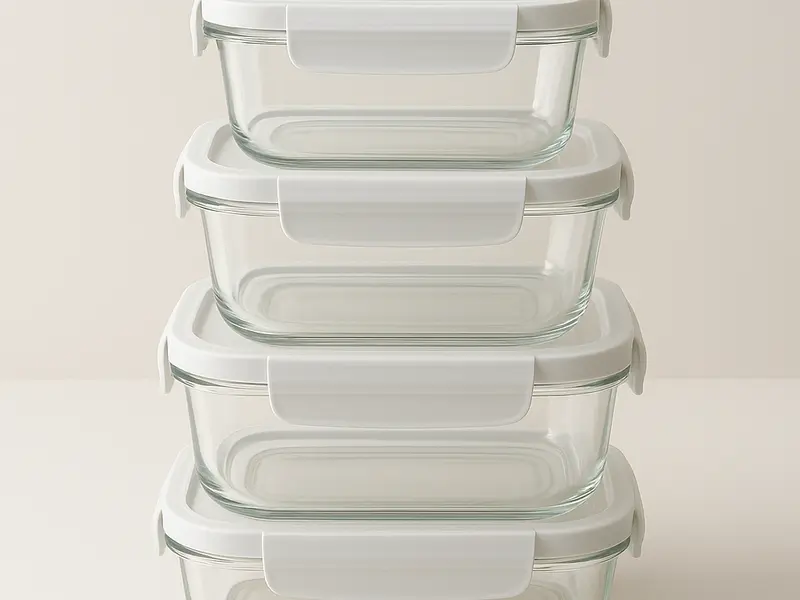 Glass Food Storage Containers on Amazon
Browse top-rated glass food storage containers on Amazon — compare prices, features, and customer reviews.
Check price on Amazon
-
 Kitchen Organization Picks on Amazon
Browse top-rated kitchen organization on Amazon — compare prices, features, and customer reviews.
Check price on Amazon
We may earn a commission if you buy, at no extra cost to you.
How they differ in everyday use
- Heat tolerance. Glass food storage containers are usually made of tempered soda-lime glass or borosilicate glass, and many are labeled safe for the microwave, and often the oven, without their lids. Plastic containers vary widely: some are made and labeled for microwave use, many are not. Only use plastic in the microwave if it is labeled microwave-safe; containers that held takeout, margarine, yogurt, or similar foods are meant for cold storage, not reheating.
- Weight and durability. Glass is heavier and can break or chip if dropped, which matters with kids, small spaces, or daily commuting. Plastic is lighter and more forgiving on impact, but it can scratch, warp, or crack over time, especially around lid seals.
- Cleaning and odors. Glass is nonporous and resists staining and odors from foods like curry or tomato sauce. Plastic can pick up stains and smells, particularly once it is scratched.
- Lids and seals. Most glass containers come with plastic or silicone lids, and the lid usually sets the limits: many are fine in the dishwasher's top rack but not in the oven, and some should be vented or removed in the microwave. Check the lid's own labeling.
- Storage efficiency. Square and rectangular containers in either material stack and fill shelves more efficiently than round ones. Glass containers are bulkier for the same capacity, and many plastic sets nest when empty to save cupboard space.
- Chemical concerns. Microwave-safe plastics are tested for use in the microwave. Even so, some people prefer to reheat in glass or ceramic to avoid heating food in plastic, and that is a simple option if it gives you peace of mind. Replace plastic containers that are cracked, warped, or heavily scratched.
Recycling and environmental impact
Reuse is the biggest win for either material: a container you use for years beats any disposable option. Recycling is less straightforward than many people assume.
- Glass storage containers and bakeware are generally not accepted in curbside glass recycling. Heat-resistant glass, whether tempered or borosilicate, melts at a different temperature from bottle and jar glass and can contaminate a batch, so many city programs, such as Fort Collins and Boise, tell residents to keep it out of recycling bins.
- Plastic recycling depends on the type of plastic and your local program. Check the resin code and your city's rules.
- Ordinary glass food jars, such as pasta sauce or jam jars, are recyclable in most programs and make good free pantry containers.
Best fits for glass
- Batch cooking and reheating. Glass is a good choice for meals you plan to reheat in the same container. Use containers labeled microwave-safe or oven-safe, and remove or vent the lid while heating.
- Sauces, soups, and strongly flavored foods. Glass won't stain or hold onto odors, which helps with tomato sauce, curry, garlic, and similar foods.
- Seeing what you have. Clear glass makes it easy to spot leftovers before they're forgotten.
- Freezing. Many glass containers are freezer-safe. Leave room for food to expand, and avoid moving glass straight from the freezer into a hot oven; sudden temperature changes can cause it to crack or shatter. Follow the maker's instructions on thawing first.
- Long-term use. Well-cared-for glass containers can last for many years, which reduces replacements.
Best fits for plastic
- Carrying meals. Plastic containers are lighter to carry to work, school, or the gym and won't shatter if dropped.
- Quick reheats. Many plastic containers are designed and labeled for microwave use, often with vented lids. Use only those labeled microwave-safe for heating, and follow any limits on heating time or food type.
- Lower cost and larger sets. Plastic sets are usually cheaper and come in many sizes, which helps when you're building a storage system or packing lunches.
- Kids and on-the-go use. Light, unbreakable containers with simple snap lids are easier for children to handle.
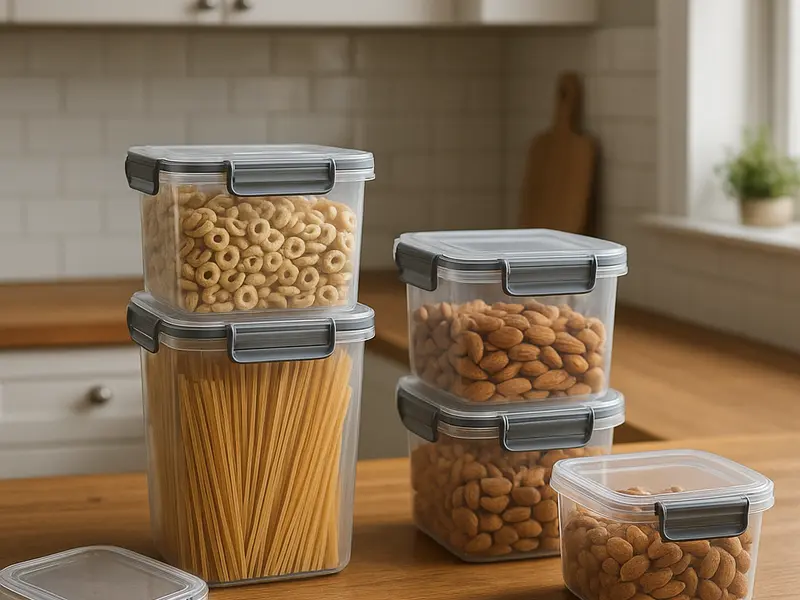
A practical decision checklist
- Will you reheat in the same container often? Glass labeled microwave-safe or oven-safe is a strong choice, with the lid removed or vented.
- Do you carry meals daily? Plastic is lighter and safer to drop.
- Will you use the oven? Only glass marked oven-safe belongs there, and lids usually don't.
- Do you store strongly flavored or colored foods? Glass resists stains and odors better.
- Are kids using the containers? Plastic is usually the safer option.
- Is the dishwasher important? Most glass bases are dishwasher-safe; check plastic containers and all lids for top-rack-only or hand-wash instructions.
- Do you want containers that last for years? Glass usually lasts longer, though plastic is cheaper to replace.
Practical usage tips
- Don't heat food in plastic that isn't labeled microwave-safe, including takeout containers and tubs from margarine, yogurt, and similar foods.
- Leave headspace when freezing, since liquids expand, and don't overfill containers you plan to reheat.
- Vent or remove lids in the microwave so steam can escape.
- Avoid sudden temperature swings with glass: don't put a hot glass dish on a wet or cold surface, and don't move it straight from the freezer to a hot oven.
- Inspect lids and seals regularly and replace cracked, warped, or brittle ones.
- Wash containers promptly to prevent staining and odors, and use non-abrasive sponges.
- Refrigerate leftovers within two hours of cooking and use them within three to four days, whatever container you use.
Honest downsides and trade-offs
- Glass downsides: heavier, breakable, bulkier to store, and sensitive to sudden temperature changes. Lids often wear out before the glass does, and glass storage containers generally can't go in curbside recycling.
- Plastic downsides: stains, odors, and scratches, variable heat resistance, and a shorter lifespan, especially for budget sets that are microwaved often. Cracked or heavily scratched plastic should be replaced.
Final takeaway
There is no one-size-fits-all answer. If you cook in bulk, reheat often, and want containers that resist stains and odors, glass is a strong choice, as long as you're prepared for the extra weight and handle it carefully. If you prioritize portability, lower cost, and kid-friendly lunches, plastic is practical, provided you only heat containers labeled microwave-safe. Many households mix the two: glass for home storage and reheating, plastic for lunches and on-the-go meals.