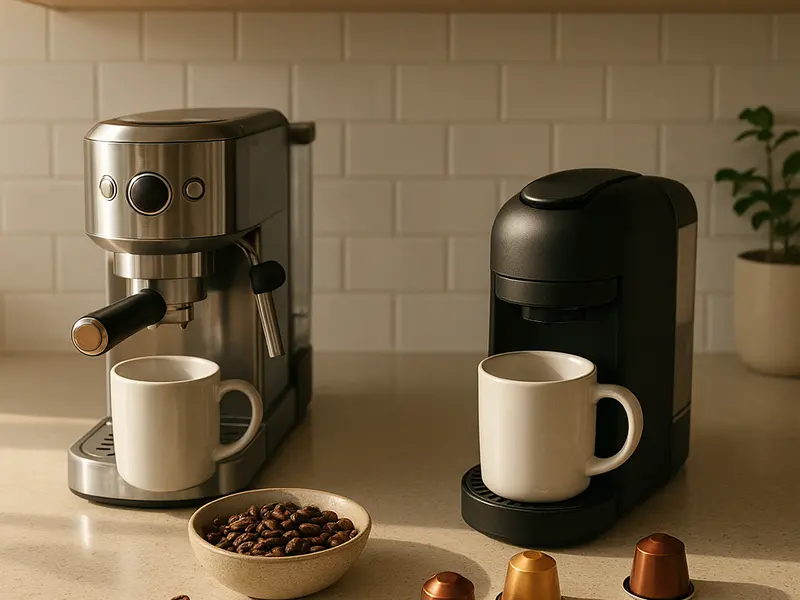
If you are deciding between an espresso machine and a pod machine as a beginner, your choice should hinge on how much you value flavor control, day-to-day convenience, and long-term cost. In short: choose a traditional espresso machine if you want control, a skill to learn, and lower cost per cup over time; choose a pod machine if you want simplicity, speed, and minimal cleanup from day one. This guide gives concrete use cases, trade-offs, and a practical checklist so you can decide without guessing.
Related on Amazon · Paid links
-
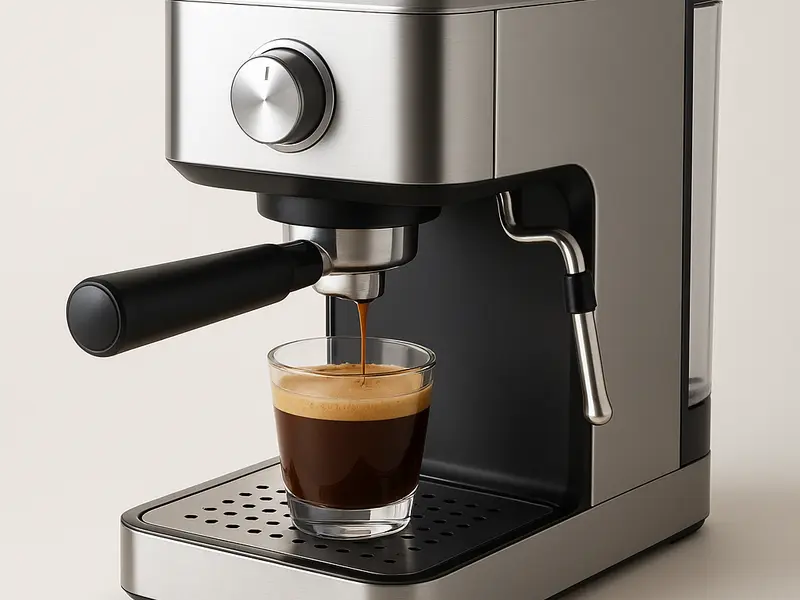 Espresso Machines on Amazon
Browse top-rated espresso machine on Amazon — compare prices, features, and customer reviews.
Check price on Amazon
-
 Best Coffee Makers on Amazon
Browse top-rated coffee maker on Amazon — compare prices, features, and customer reviews.
Check price on Amazon
-
 Burr Coffee Grinders on Amazon
Browse top-rated burr coffee grinder on Amazon — compare prices, features, and customer reviews.
Check price on Amazon
We may earn a commission if you buy, at no extra cost to you.
First, know which kind of pod machine you mean
"Pod machine" covers two quite different things:
- Brewed-coffee pod machines, such as Keurig-style brewers, push hot water through a pod at low pressure. They make a cup similar to drip coffee, not espresso.
- Espresso capsule machines, such as Nespresso's Original line and similar systems, force water through a capsule at high pressure and make an espresso-style shot. Some systems, like Nespresso Vertuo, use their own brewing method and can make both espresso-style and larger coffees.
If espresso drinks are what you want, compare a traditional espresso machine with an espresso capsule system, not with a brewed-coffee pod brewer.
How they differ in practice
Flavor control and learning curve
A traditional espresso machine paired with a grinder gives you control over grind size, dose, tamping, and shot time, and some machines let you adjust temperature. That control lets you adjust a shot to bring out more sweetness or tone down bitterness, but it comes with a learning curve: you'll need to learn to grind, dose, and tamp consistently, and to use the steam wand if you want lattes or cappuccinos. Crema, the golden foam on top of a shot, is one sign of fresh coffee and a reasonable extraction, but taste matters more than looks.
A capsule machine removes most of those variables by using pre-measured, pre-ground capsules. Results are repeatable out of the box, but customization is limited to choosing a capsule and the cup size. If your goal is consistent mornings with minimal experimentation, a capsule machine excels.
Convenience and cleanup
Capsule machines win on speed and cleanup. Insert a capsule, press a button, and empty the used-capsule bin now and then. There's no grinder to maintain and no grounds to knock out. A traditional espresso setup needs a little cleanup after each session: knocking out the puck, rinsing the portafilter, flushing the group head, and wiping and purging the steam wand. Both types need descaling on the schedule the manufacturer recommends.
Cost over time
A pod or capsule machine is usually cheaper to buy, especially once you add the cost of a grinder to a traditional setup. Over time, though, capsules generally cost more per cup than whole beans. A traditional machine's ongoing costs are mainly beans, milk, and the occasional replacement gasket or descaler. If you drink several espresso drinks a day, the traditional route usually costs less over a few years; if you drink one cup now and then, the capsule machine may never cost more in total.
Beverage variety and milk drinks
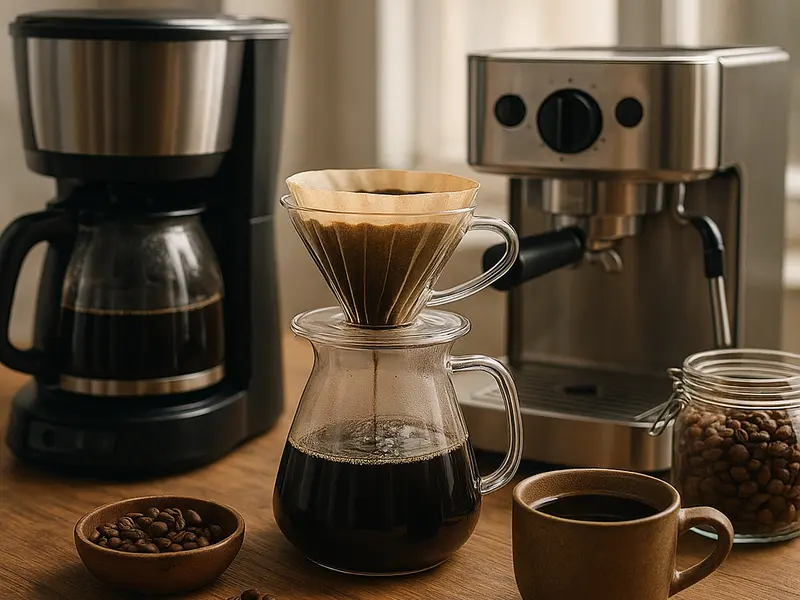
A traditional machine with a suitable grinder lets you experiment: you can pull shorter (ristretto) or longer (lungo) shots, change beans freely, and use a steam wand to texture milk for cappuccinos, flat whites, and latte art. Capsule machines reliably make the drinks their capsule range supports, and many offer an automatic milk frother or a separate frothing accessory, but there's less room to adjust.
Use cases: when to choose one over the other
- If you want a quick, reliable morning coffee with almost no prep or cleanup, choose a capsule machine.
- If you drink espresso-based drinks often and want to learn how to get more flavor from your beans, choose a traditional espresso machine with a good grinder.
- If you host guests and want consistent drinks without training anyone, a capsule machine is the easiest option.
- If you want to reduce packaging waste and lower your ongoing cost per cup, choose a traditional machine and buy beans. If you choose capsules, check whether your brand offers a capsule recycling program and whether your local recycling accepts them.
- If you have a small kitchen, a compact capsule machine takes less space than an espresso machine plus a grinder.
- If you care about latte art and milk texture, a traditional machine with a steam wand gives you the most control.
Decision checklist: practical criteria you can act on
- Budget: compare the upfront cost of a capsule machine with an espresso machine plus grinder, then estimate what you'll spend each month on capsules versus beans.
- Counter space: measure your space, including height under cabinets for filling the water tank and loading the machine.
- Coffee preferences: do you enjoy trying different beans and adjusting drinks, or do you want the same reliable cup every day?
- Interest in learning: are you excited to learn grinding, tamping, and milk steaming, or would you rather have consistent results immediately?
- Cleaning tolerance: how much time will you spend on daily rinsing and periodic descaling?
- Drink types: do you want milk drinks such as cappuccinos and flat whites, or mostly espresso and black coffee?
- Waste: are you comfortable with capsule waste, and is recycling available for your capsule type?
- Service and parts: can you easily get replacement parts, capsules, and customer support where you live?
Practical details you can use when shopping
- Size and footprint: capsule machines are usually compact. Entry-level espresso machines vary more in size, and you'll need room for a grinder alongside.
- Build: many capsule machines have plastic housings; traditional espresso machines more often use metal bodies and portafilters, which can help with durability and heat stability.
- Heating systems: both types commonly use thermoblocks, which heat quickly; some espresso machines use a boiler, which takes longer to warm up but can make steaming milk easier.
- Milk frothing: traditional machines usually have a steam wand; many capsule machines offer a built-in or separate automatic frother, which is easier but less adjustable.
- Capsule compatibility: most capsule machines work only with one capsule format. Before buying, check capsule availability, cost, and whether compatible third-party capsules exist.
- Grinder: a traditional machine works best with a burr grinder rated for espresso. Pre-ground coffee sold for espresso is a possible starting point, but freshly ground beans give better results.
- Maintenance: expect to rinse the portafilter and group head daily, backflush if your model supports it, and descale on schedule. Capsule machines need the capsule bin emptied, the drip tray washed, and periodic descaling.
- Common mistakes: using coffee ground for drip in an espresso machine, inconsistent tamping, skipping descaling, and, for capsule machines, using capsules not designed for your system.
- Warranty: check what is covered and for how long, especially the pump and heating system.
When not to buy, or when to pause
- If you drink coffee rarely or tire of fiddling quickly, a capsule machine is a lower-risk start.
- If you have very little time in the morning, a traditional setup that requires grinding, dosing, and steaming may become a chore.
- If packaging waste bothers you, beans and a traditional machine, or a reusable capsule designed for your machine, may suit you better.
- If you move often, a compact capsule machine is easier to pack than an espresso machine and grinder.
Quick-start guide for beginners
- If you choose a capsule machine: start with a small variety pack to find capsules you like, run a water-only cycle when the machine is new, and descale as the manufacturer recommends.
- If you choose an espresso machine: start with fresh beans and a grinder set for espresso, keep the dose the same, and adjust only the grind until the shot tastes good. Practice milk steaming separately until you can make smooth, glossy microfoam.
- For both: store beans or capsules away from heat, light, and moisture, and use fresh, good-tasting water.
- Keep a simple routine: rinse after use, wipe the steam wand straight away, and descale on schedule.
- Make notes: record the settings or capsules you like so you can repeat a good cup.
Choosing between an espresso machine and a pod machine is a decision about how you want your mornings to go and how deeply you want to explore coffee. If you want speed, simplicity, and minimal maintenance, a capsule machine is a practical start. If you want to build a skill, customize flavor, and potentially lower long-term costs, a traditional espresso setup makes more sense. Use the checklist above to weigh space, maintenance, and the drinks you'll actually make.