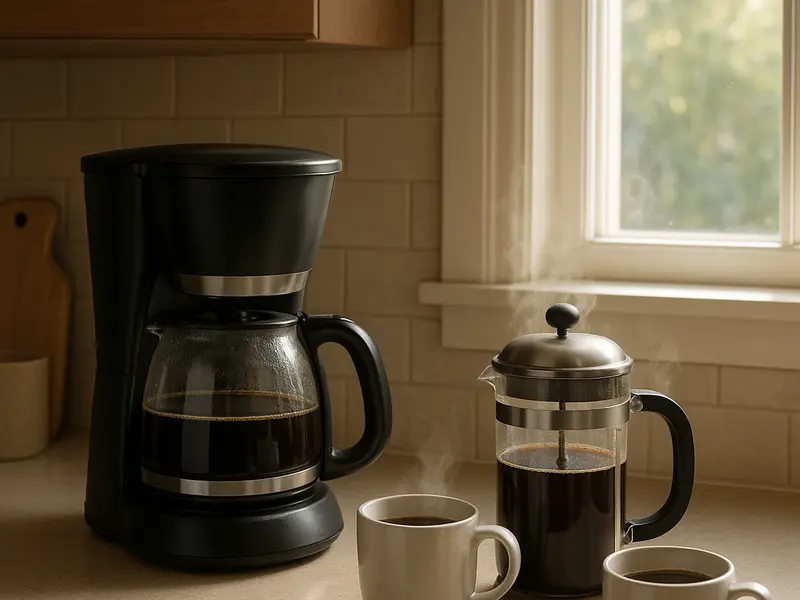
If you brew coffee daily and want a reliable, low-effort cup, a drip setup is usually the better default. If you value a fuller body, more hands-on control, and a ritual around your morning cup, a French press can be worth the extra attention. Below is a practical, decision-oriented guide to help you choose for everyday use, with concrete use cases, trade-offs, and actionable steps.
Related on Amazon · Paid links
-
 Best Coffee Makers on Amazon
Browse top-rated coffee maker on Amazon — compare prices, features, and customer reviews.
Check price on Amazon
-
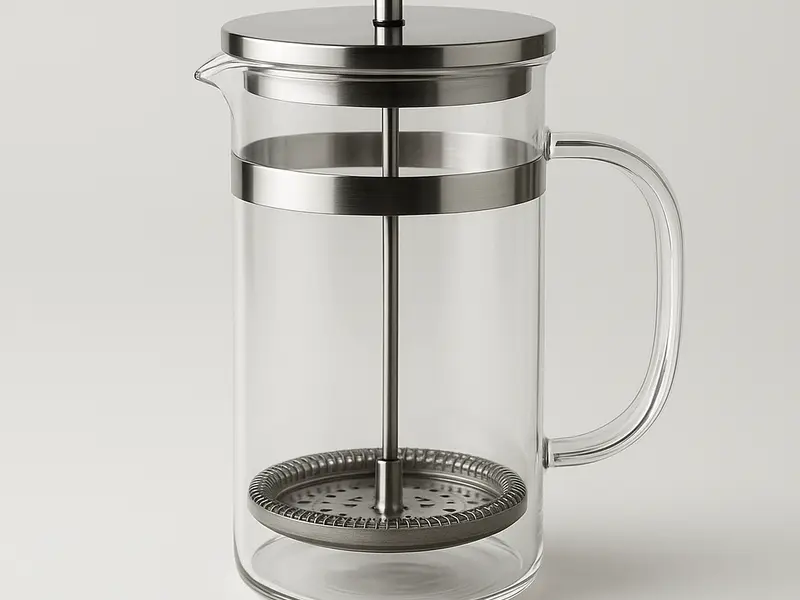 French Presses on Amazon
Browse top-rated french press coffee maker on Amazon — compare prices, features, and customer reviews.
Check price on Amazon
-
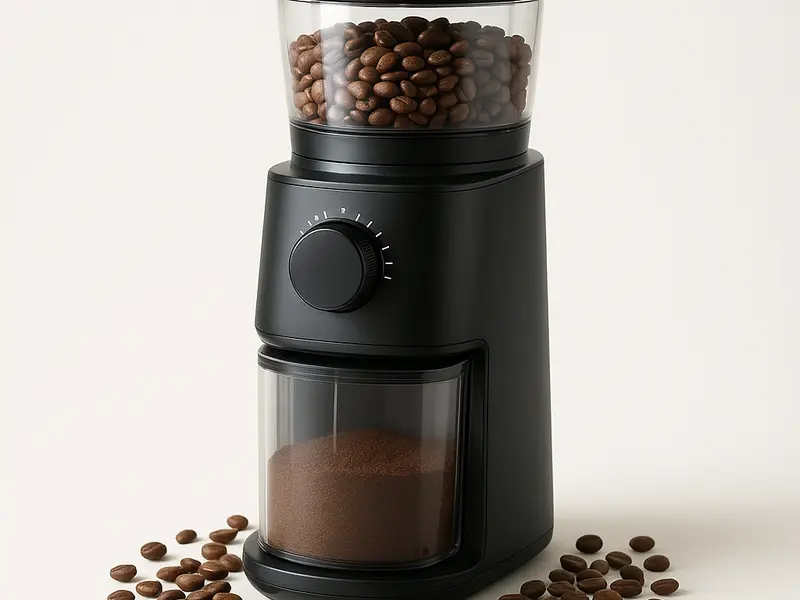 Burr Coffee Grinders on Amazon
Browse top-rated burr coffee grinder on Amazon — compare prices, features, and customer reviews.
Check price on Amazon
We may earn a commission if you buy, at no extra cost to you.
How drip and French press work
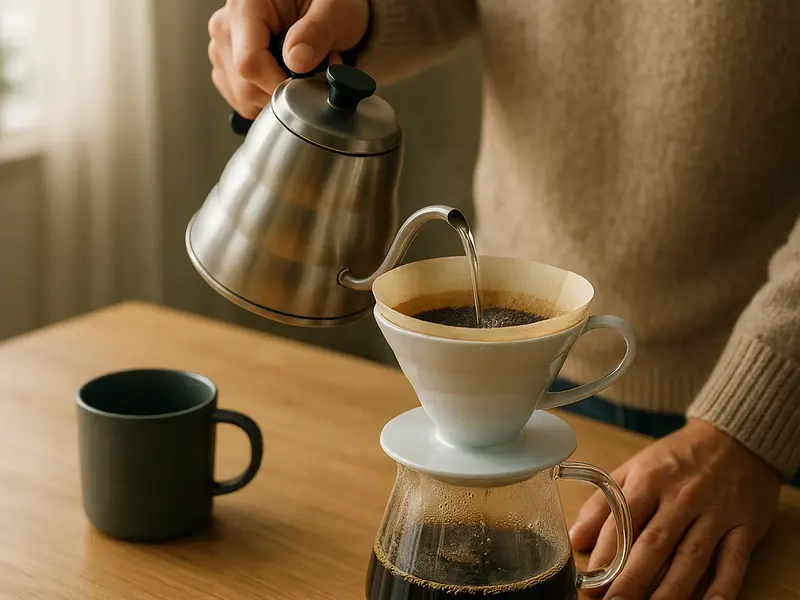
Drip coffee relies on hot water flowing through ground coffee held in a filter, either in an automatic machine or a manual pour-over cone. Once the brew starts it is mostly hands-off, and it tends to produce a cleaner, lighter-bodied cup with little sediment. Automatic drip machines vary in how hot they brew, how evenly they wet the grounds, and how well they keep coffee warm, but they share a common benefit: convenience and consistency.
A French press uses immersion. Ground coffee steeps in hot water, then a plunger with a metal mesh filter is pushed down to separate the grounds from the liquid. Because the metal mesh lets oils and very fine particles through, the result has more body and texture, often described as richer or fuller, along with some sediment at the bottom of the cup.
Flavor profiles and what to expect
- Drip coffee tends to taste clean and bright. Paper filters hold back most of the coffee oils and fine particles, which reduces cloudiness and makes flavors feel crisper.
- French press coffee emphasizes body and texture. The oils carry more of the roast character into the cup, which many people describe as mouth-filling and robust. The trade-off is more sediment, especially if the grind is too fine.
If you prefer lighter roasts, mild coffees, or a quick, predictable cup, drip usually wins on daily consistency. If you prefer a richer mouthfeel and don't mind paying attention to grind size and timing, French press can be deeply satisfying.
A note on filters and cholesterol
Coffee oils contain a compound called cafestol that can raise LDL cholesterol. Paper filters trap most of it, while unfiltered methods such as French press, Turkish, and boiled coffee let much more through. Mayo Clinic and Harvard's nutrition researchers note that unfiltered coffee has been linked to a small rise in cholesterol, mainly at higher daily intakes. If you have high cholesterol or are watching it, paper-filtered coffee is the more cautious choice, and it is worth asking your doctor what makes sense for you.
Practical setup and maintenance you'll actually deal with
- Carafes and materials: Drip machines use either a glass carafe on a hot plate or an insulated thermal carafe. Glass lets you see the brew; a thermal carafe keeps coffee warm without the stewed taste a hot plate can cause over time. French presses come in glass with a metal frame or in double-walled stainless steel, which holds heat better and won't break if knocked over.
- Grind size: Drip coffee works best with a medium grind, roughly like coarse sand. French press needs a coarse grind, closer to sea salt, so the mesh can hold back the grounds and the brew doesn't turn bitter.
- Filters: Paper filters are standard for drip and give the cleanest cup. Reusable metal or nylon filters reduce waste but let more oil and fines through. A French press's mesh filter is part of the plunger; take it apart and clean it regularly so old oils don't taint new brews.
- Brew ratios and timing: The Specialty Coffee Association's reference ratio is about 55 grams of coffee per liter of water, roughly 1:18, and many home brewers like something a little stronger, around 1:15 to 1:17. French press brewers often use 1:12 to 1:15 with a steep of about four minutes. Treat these as starting points and adjust to taste.
- Common mistakes: In drip brewing, coffee that is too coarse or water that runs through too fast tastes weak or sour; a grind that is too fine can taste bitter. In a French press, a fine grind makes the plunger hard to push, adds sludge, and over-extracts.
- Cleaning basics: Descale automatic drip machines regularly, following the manufacturer's schedule, to prevent mineral buildup, and wash the carafe so old oils don't linger. Rinse a French press after each use and periodically take apart the plunger and screen for a thorough wash.
Real-world use cases: who should pick which
- If you are brewing for a busy household and want speed, consistency, and minimal daily effort, choose drip. Many machines let you set a timer, fill the reservoir the night before, and wake up to a full pot. It is especially practical when several people drink coffee at the same time.
- If you enjoy a richer, more textured cup and like a bit of ritual, choose a French press. It suits one to three people who like a bold flavor and are willing to grind, steep, and time each batch.
- If space is tight, either can work. A compact drip brewer or a single-serve pour-over cone takes little counter space, and a French press can live in a cupboard. Decide which workflow you value more: automation or manual control.
- If you host guests often, drip is generally better for serving a crowd quickly and evenly. Note that coffee-maker "cups" are usually smaller than a mug, often around five to six ounces, so a 12-cup machine makes fewer mugs than the number suggests.
- If you want the cleanest cup, a drip machine or pour-over with paper filters delivers it. If you want to taste more of the oils and roast character, French press emphasizes those, but it also magnifies flaws in your grind or water.
Decision checklist: how to decide today
- Are you aiming for speed and consistency with minimal hands-on time? Choose drip.
- Do you value a full-bodied cup with more oils and a heavier mouthfeel? Choose French press.
- Do you often brew for several people at once? Choose drip, ideally with a thermal carafe.
- Do you want simple cleanup and little sediment? Choose drip with paper filters.
- Are you watching your cholesterol? Lean toward paper-filtered drip or pour-over, and ask your doctor.
- Do you enjoy a slower routine and tweaking grind, water temperature, and steep time? Choose French press.
- Is your water hard or off-tasting? Whatever the method, filtered water helps, and hard water means descaling a drip machine more often.
Practical tips to get the best results
- Preheat: Rinse your carafe, press, or mug with hot water first so the coffee doesn't cool too quickly.
- Fresh grounds: Whole beans ground just before brewing taste noticeably fresher than pre-ground coffee. Use a medium grind for drip and a coarse grind for French press.
- Water temperature: The SCA recommends brewing between about 195°F and 205°F (roughly 90°C to 96°C), just off the boil. The same range works for a French press; let boiling water rest for about 30 seconds before pouring.
- Bloom: For pour-over, wet the grounds with a small amount of water and wait about 30 seconds before the main pour. In a French press, give the grounds a gentle stir after adding the water.
- Cleanliness: Replace paper filters every brew, wash reusable filters, and descale automatic machines on schedule.
- Grind consistency: A burr grinder gives more even grounds than a blade grinder, which makes it easier to repeat a cup you like with either method.
When not to overthink it
- If the goal is broad appeal and low effort, a simple automatic drip machine with a thermal carafe is hard to beat. It is dependable and forgiving for a household with mixed coffee preferences.
- If you want a hands-on, deliberate experience and don't mind the extra steps, a French press with a decent grinder will deliver a satisfying cup that reflects your choices.
- If you're unsure, start with a basic drip brewer and medium-ground coffee. Once you're comfortable, a French press is an inexpensive second method for weekends.
In short, for everyday coffee the choice comes down to workflow and flavor preference. If you prize speed, consistency, and a clean cup, drip is the sensible default. If you prize a richer texture and a tactile brewing ritual and you're fine with extra steps, a French press can be especially rewarding. Either path can produce excellent daily coffee once you match grind, water, ratio, and timing to your taste.