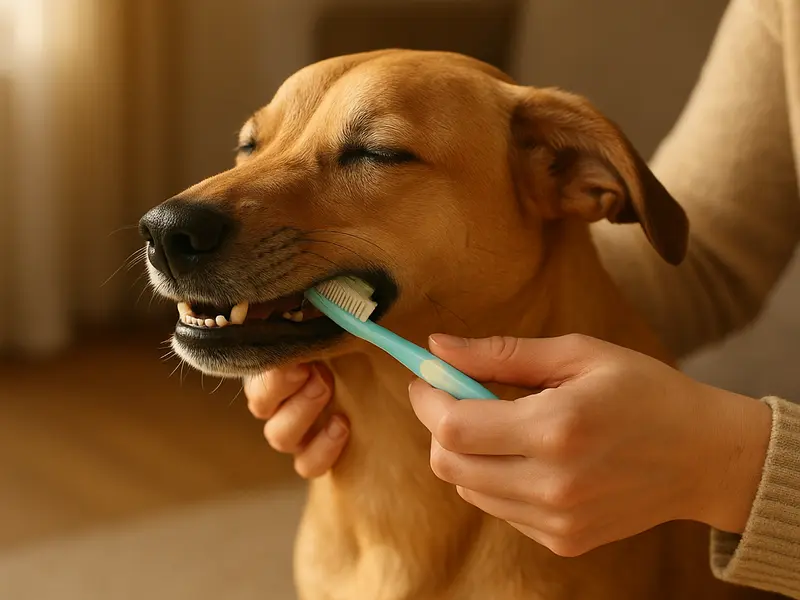
Daily brushing with a dog toothpaste is the most effective home dental care, and veterinary dental groups call it the gold standard. Dental chews can help, but look for a VOHC seal, and neither one replaces dental exams and cleanings at the vet.
Related on Amazon · Paid links
-
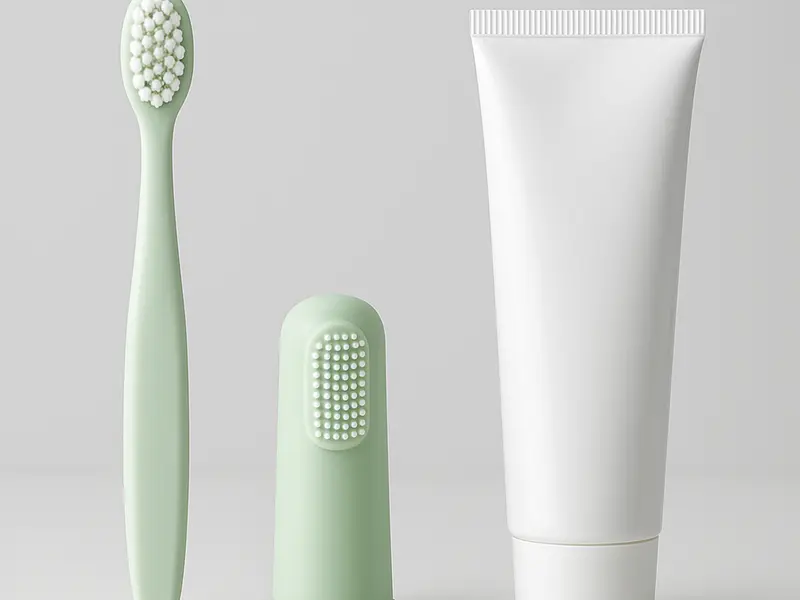 Dog Toothbrush & Toothpaste Kits on Amazon
Browse top-rated dog toothbrush toothpaste kit on Amazon — compare prices, features, and customer reviews.
Check price on Amazon
-
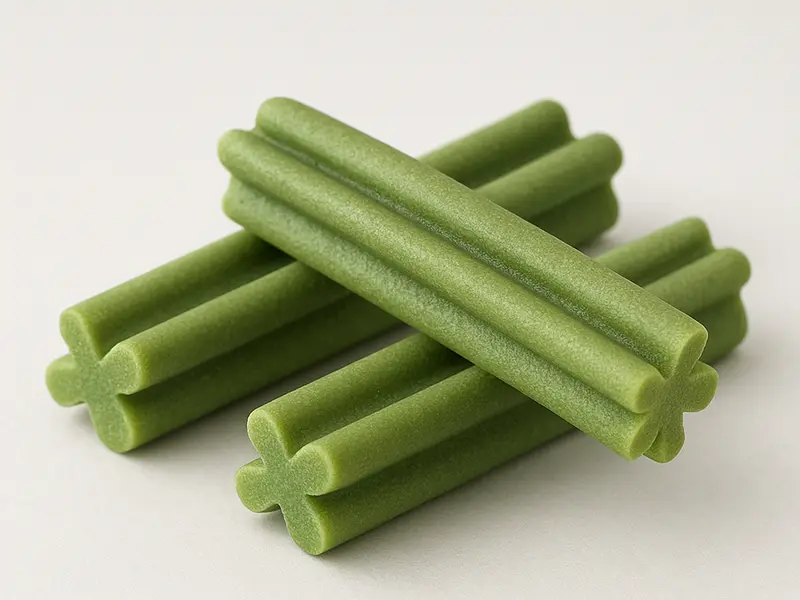 Dog Dental Chews on Amazon
Browse top-rated dog dental chews on Amazon — compare prices, features, and customer reviews.
Check price on Amazon
We may earn a commission if you buy, at no extra cost to you.
The short answer
- Brushing works best. The Veterinary Oral Health Council (VOHC) calls brushing the gold standard, and the 2019 AAHA Dental Care Guidelines for Dogs and Cats say it needs to be done daily to be of real benefit.
- Chews are a useful second line. The VOHC notes that daily chewing activities can also help maintain oral health, but only some products have shown a measurable effect. Products that pass its review carry the VOHC Seal of Acceptance.
- Many dogs do best with both. Brushing when you can, plus a VOHC-accepted chew, diet or water additive, is a realistic routine for a lot of households.
- Neither fixes existing tartar. The AAHA guidelines stress that brushing removes plaque, not hardened tartar (calculus). Once tartar has built up, or if your dog has gum disease, the answer is a veterinary dental exam and cleaning under anesthesia.
How plaque, tartar and gum disease work
Plaque is a soft, sticky film of bacteria that forms on teeth every day. Left alone, it hardens into tartar, which a toothbrush cannot remove. The real damage happens below the gumline, where bacteria cause the inflammation and bone loss of periodontal disease.
That is why the timing matters. Brushing disrupts plaque while it is still soft, before it can harden. Chews work by scraping the tooth surface as the dog chews, or through ingredients that slow plaque or tartar formation. Both are preventive. Neither reaches the deep pockets below the gumline where advanced disease lives.
Brushing: what it does well and where it gets hard
Why it is worth the effort
- It mechanically removes plaque at the gumline, the area that matters most.
- It costs little once you have a brush and toothpaste.
- It adds no calories.
- It gets you looking in your dog's mouth regularly, so you notice a broken tooth, red gums or a growth much sooner.
The honest downsides
- It only works if you actually do it. The guidelines set daily as the target; some veterinary hospitals describe a few sessions a week as the bare minimum. Brushing once in a while does very little.
- Many dogs resist at first, and building the habit takes patience.
- A dog with a painful mouth may snap. If your dog suddenly resents having its mouth touched, stop and book a vet visit instead of pushing through.
How to start so it sticks
- Go slowly. Start by lifting the lip and rubbing a finger or soft cloth along the outer surfaces of the teeth for a few seconds, then reward. Let your dog lick a little dog toothpaste so the taste becomes something good.
- Introduce the brush gradually. A finger brush or a soft, small-headed toothbrush made for dogs is easiest. Once your dog accepts it, brush in small circles along the gumline.
- Focus on the outside surfaces. Veterinary guidance suggests concentrating on the large cheek teeth and the canine teeth first, where plaque tends to build up fastest. Most dogs will not let you brush the inner surfaces, and you do not need to start there.
- Keep it short. Aim for about 30 seconds per side once your dog is comfortable, and end on a good note with praise or play.
- Tie it to a daily cue, such as right after the evening walk, so it becomes routine for both of you.
Never use human toothpaste
Human toothpaste is not made to be swallowed, and dogs swallow all of it. Some contain fluoride or high levels of sodium, and some contain xylitol, a sweetener that is toxic to dogs. Use a toothpaste made for dogs only.
Dental chews: what to look for
The VOHC seal
The VOHC reviews data submitted by manufacturers and awards its seal to products that meet its standards for controlling plaque, tartar or both. Check which claim a product carries, because they are not the same: a product accepted only for tartar has not shown the same effect on plaque. The VOHC publishes its full list of accepted products, which covers chews, dental diets, water additives, gels, toothpastes, toothbrushes and wipes.
Plenty of chews are labeled "dental" without any of that evidence behind them. The word on the bag means little; the seal means a product has been reviewed.
Size, supervision and calories
- Match the size to your dog using the weight ranges on the package. A chew that is too small can be swallowed whole, which is a choking and blockage risk.
- Watch how your dog eats it. A chew only scrapes teeth if the dog actually chews it. Dogs that gulp treats get the calories without the benefit.
- Count it as a treat. Dental chews have calories. If your dog gets one every day, account for it in the daily food amount, especially if weight is a concern.
Chews that are too hard
The AAHA guidelines warn that some chews marketed as good for teeth are hard enough to fracture them. Natural bones, dried hooves and antlers are commonly cited examples, and veterinary dentists add hard nylon toys and ice cubes to the list. Two simple tests that veterinary dentists suggest:
- The fingernail test. You should be able to make a dent in the chew with your fingernail.
- The kneecap test. If tapping it against your kneecap would hurt, it is too hard for your dog's teeth.
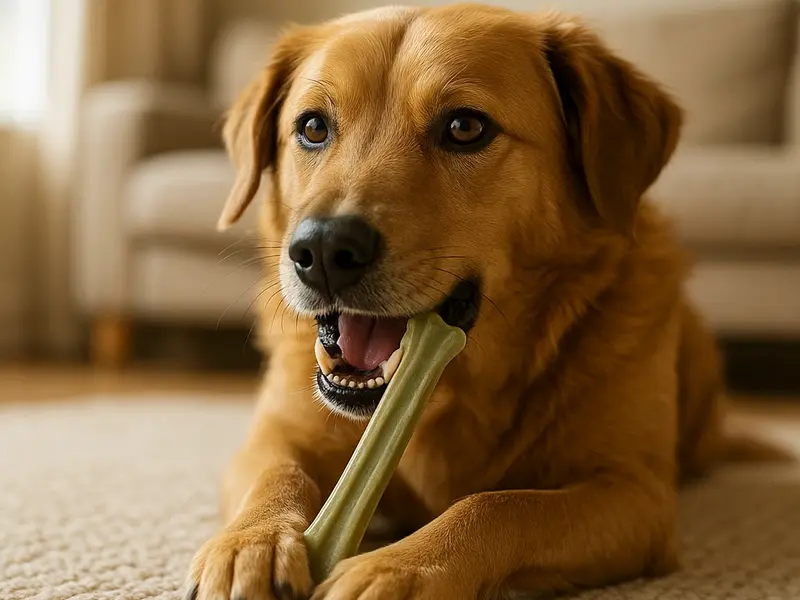
A broken tooth with exposed pulp is painful and usually needs a root canal or extraction, so this is worth taking seriously.
Which approach fits your dog
Puppy or young adult dog
Start brushing now, even if it is only a few seconds a day. Puppies get used to handling far more easily than adult dogs, and a dog who accepts brushing for life is the biggest dental win you can get. Ask your vet when to introduce dental chews and which sizes are safe for a growing dog.
Adult dog who tolerates handling
Brush daily and add a VOHC-accepted chew or water additive if you like. This combination covers the days you miss brushing without relying on chews alone.
Dog who will not tolerate brushing
Keep working on gradual handling, but in the meantime choose VOHC-accepted products: a chew, a dental diet, a water additive or dental wipes. Ask your vet which suits your dog. Something with evidence behind it is far better than nothing.
Gulpers, dogs on a weight plan or dogs with sensitive stomachs
Chews may not be a good fit. Brushing, wipes or a VOHC-accepted water additive avoid the swallowing risk and the extra calories. Your vet can suggest options that work with your dog's diet.
Dog with bad breath, visible tartar or red gums
Neither brushing nor chews will reverse this. Book a dental exam first. After a professional cleaning, a home routine helps keep the clean teeth clean for longer.
Senior dog or dog with health conditions
Talk to your vet before changing the routine. Older dogs often have existing dental disease, and your vet can judge whether a cleaning under anesthesia is needed and how to manage the risks.
What neither option can do
Home care cannot remove tartar that has already hardened, clean below the gumline or show what is happening at the roots. Dental X-rays and cleaning below the gumline require general anesthesia.
Be wary of "anesthesia-free" dental cleanings. The American Veterinary Dental College strongly opposes them, saying they are not a substitute for a proper dental procedure and do not prevent dental disease, and the AAHA guidelines do not consider them an acceptable option. Scraping visible tartar off the crowns can make teeth look clean while disease continues below the gumline.
Signs it is time to see your vet
- Persistent bad breath
- Red, swollen or bleeding gums
- Brown or yellow buildup on the teeth
- A broken, loose or discolored tooth
- Dropping food, chewing on one side or reluctance to eat hard food
- Pawing at the mouth, drooling more than usual, or swelling on the face or jaw
A practical decision checklist
- Make daily brushing with dog toothpaste your goal, and start slowly so your dog learns to accept it.
- Never use human toothpaste.
- If you use chews, choose products with the VOHC seal and check whether the claim is for plaque, tartar or both.
- Pick the right chew size for your dog's weight, supervise chewing and count chews as treats.
- Avoid chews that fail the fingernail or kneecap test, such as antlers, bones and hooves.
- If brushing is not possible, choose a VOHC-accepted chew, diet, water additive or wipe, and ask your vet which one.
- Book a dental exam for bad breath, tartar, red gums or a broken tooth. Home care prevents problems but does not treat them.
- Skip anesthesia-free cleanings and ask your vet about a proper dental cleaning instead.
- Talk to your vet about how often your dog needs dental checkups, since needs vary with age, breed and health.