If you are choosing between clumping and non-clumping cat litter, start with the one thing that matters most: your cat has to be willing to use it. For many cats, an unscented, fine-textured clumping litter is the safest first choice, and feline veterinary guidelines note that most cats prefer soft, unscented clumping litter. Non-clumping litters still have a place, especially for kittens, cats recovering from surgery and some households with specific needs.
Related on Amazon · Paid links
-
 Best Cat Litter on Amazon
Browse top-rated cat litter on Amazon — compare prices, features, and customer reviews.
Check price on Amazon
-
 Interactive Cat Toys on Amazon
Browse top-rated interactive cat toys on Amazon — compare prices, features, and customer reviews.
Check price on Amazon
-
 Pet Supplies on Amazon
Browse top-rated pet supplies on Amazon — compare prices, features, and customer reviews.
Check price on Amazon
We may earn a commission if you buy, at no extra cost to you.
How clumping litter changes your routine
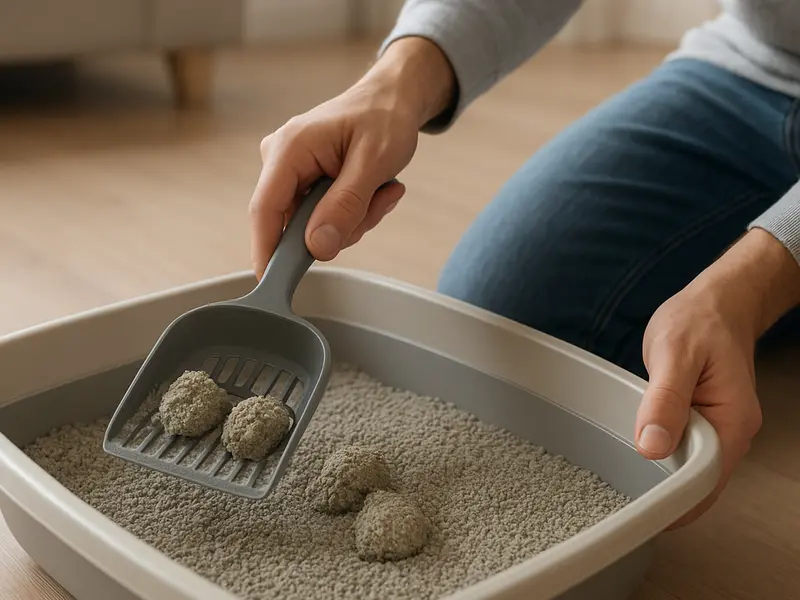
Clumping litter, usually made from bentonite clay, forms solid clumps when it gets wet. You scoop out the urine clumps and feces each day and the clean litter stays behind, so the box stays fresher between full changes.
Clumping also makes it easier to notice changes in your cat's urination. If the clumps suddenly become larger, more frequent or much smaller, or your cat is straining, that can be an early sign of a health problem such as a urinary issue, kidney disease or diabetes. A cat that strains in the litter box and produces little or no urine, especially a male cat, needs to see a veterinarian right away, as a urinary blockage is an emergency.
The main downsides of clay clumping litter are dust, weight and tracking. Low-dust formulas reduce but do not eliminate dust.
How non-clumping litter works
Non-clumping litters absorb urine without forming clumps. They include clay, recycled paper pellets, wood or pine pellets, and silica crystals. You remove solid waste daily, but because urine stays in the litter, you will need to dump and replace the litter more often, often every few days to once a week depending on the product and the number of cats.
Some non-clumping litters, especially paper and pellets, are low in dust. Texture can be an issue: many cats prefer a soft, sand-like feel, and large, hard pellets are not to every cat's taste.
When clumping litter is a good fit
- Most adult cats in most homes. It matches what most cats prefer and makes daily scooping quick.
- Multi-cat homes. Daily scooping keeps several boxes clean without constant full changes.
- When you want to monitor urine output. Clump size and number give you a simple way to notice changes, which is useful for older cats.
- Automatic litter boxes. Most self-cleaning boxes are designed for clumping litter. Check the manufacturer's instructions for which types are compatible.
When non-clumping litter makes sense
- Very young kittens. Kittens explore with their mouths, and some eat litter. Many shelters and kitten-care groups suggest a non-clumping or paper litter for young kittens until they stop sampling it. Ask your vet when to switch, and mention it if an older kitten or cat keeps eating litter, since that can sometimes signal a health problem.
- After surgery or with wounds. Veterinarians often recommend paper pellet or shredded paper litter for a while after some surgeries, especially involving the paws, so fine particles do not stick to wounds. Follow your vet's instructions.
- Urine testing at home. Your vet may give you special non-absorbent litter to collect a urine sample.
- Dust-sensitive households. Paper or pellet litters can be lower in dust, though your cat must still accept the texture.
Materials and formats you're likely to encounter
- Clumping clay (bentonite): strong clumping and odor control, but can be dusty and heavy.
- Plant-based clumping litters (corn, wheat, walnut, grass seed, pine or tofu): lighter and often marketed as more sustainable. Clumping strength and odor control vary between products, so you may need to try a few.
- Non-clumping clay: inexpensive, but requires frequent full changes to control odor.
- Paper pellets: low dust and soft on paws, often used for kittens and after surgery. Less effective at odor control.
- Wood or pine pellets: low dust and absorbent, but many cats dislike the large pellet texture.
- Silica crystals: absorb urine and control odor well, but some cats dislike the feel, and the crystals can be sharp underfoot for some cats.
"Natural" or "eco" does not automatically mean better for your cat. The best litter is one your cat uses consistently.
Scented litter and box setup
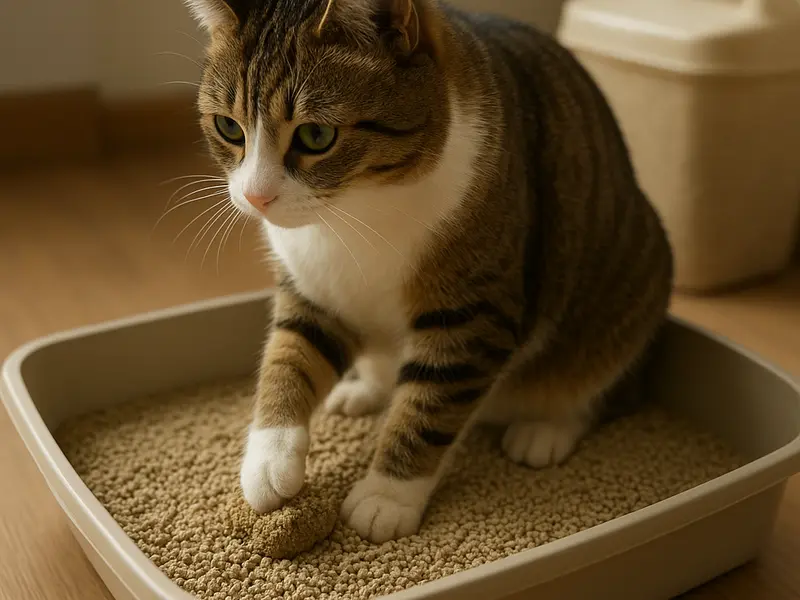
Feline veterinary guidelines from the American Association of Feline Practitioners (AAFP) and International Society of Feline Medicine (ISFM) note that many cats dislike scented or dusty litters, litter deodorizers and box liners. If odor is a concern, the better fixes are scooping more often, using more boxes and washing them regularly rather than adding fragrance.
The same guidelines recommend:
- One litter box per cat, plus one extra, placed in different locations rather than side by side.
- Big boxes. A box should be about 1.5 times the length of your cat from nose to base of tail. Many commercial boxes are too small, so storage containers can make good alternatives.
- Quiet, private spots away from food and water, and where a cat cannot be cornered by another pet.
- A box on each level of a multi-level home, and low entry boxes for older cats.
Maintenance habits that matter most
- Scoop at least once a day, for any litter type, and top up litter as needed.
- Wash the box regularly. AAFP and ISFM suggest every one to four weeks with soap and hot water. Avoid harsh chemicals and ammonia-based cleaners, which smell like urine to cats.
- For non-clumping litter, dump and replace more often, since urine stays in the litter.
- Do not flush litter or cat waste unless the product and your local plumbing allow it. Most litters can clog pipes, and some areas, including California, require litter packaging to warn against flushing cat feces because of concerns about the parasite Toxoplasma reaching waterways.
- Switch gradually. If you change litter type, mix the new litter into the old over a week or so, or offer the new litter in a second box and let your cat choose.
When litter box habits change
If your cat starts going outside the box, the litter is worth checking, but it is not the only possible cause. AAFP and ISFM advise that any cat that begins house-soiling should have a veterinary exam, because problems such as urinary tract disease, cystitis, arthritis, kidney disease and diabetes can all cause litter box changes. Never punish a cat for house-soiling.
Decision checklist: how to choose quickly
- Cat preference: start with an unscented, fine-textured clumping litter unless your vet suggests otherwise.
- Age and health: consider non-clumping or paper litter for young kittens that eat litter, and after surgery if your vet recommends it.
- Number of cats: clumping litter makes daily care easier in multi-cat homes; make sure you have one box per cat plus one.
- Dust sensitivity: look for low-dust formulas or paper litters, and pour litter gently.
- Odor: scoop daily and wash boxes regularly instead of relying on scented litter.
- Automatic boxes: use the litter type the manufacturer specifies.
- Budget and weight: clumping litters often last longer per box because you only remove soiled litter; lighter plant-based litters are easier to carry.
Bottom line
For most cats and most homes, an unscented, low-dust clumping litter is the best starting point: it matches what most cats prefer and makes daily scooping simple. Non-clumping options such as paper pellets are a good choice for young kittens that eat litter, for cats recovering from surgery, and for some dust-sensitive households. Whatever you choose, keep enough boxes, keep them clean, and watch your cat's reaction. If your cat's litter box habits change, see your veterinarian.