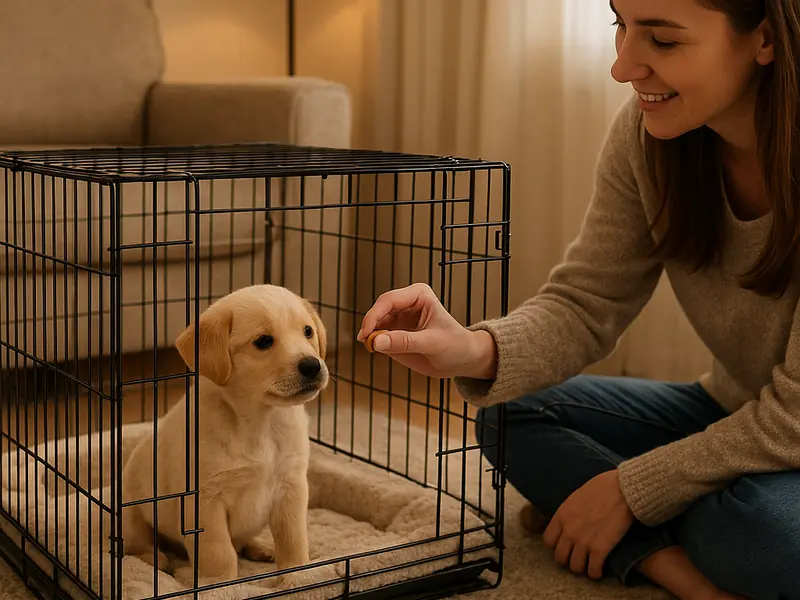
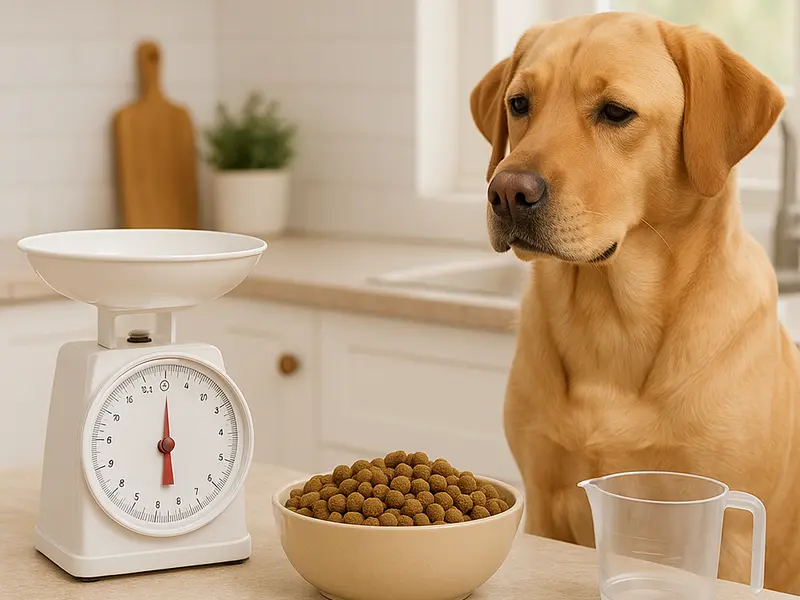
Make the crate a happy place. Use the crate for meals and naps so the space becomes associated with comfort and routine. Feed a portion of a meal near the crate and then inside the crate, gradually placing the dish a bit deeper inside so the puppy must step into the crate to eat. Add a soft bed, a chew toy, and a puzzle toy that dispenses treats for mental engagement. Keep the crate in a common living area at first, so the puppy continues to feel part of the family, rather than isolated in a back room.
Scheduling, routines, and troubleshooting
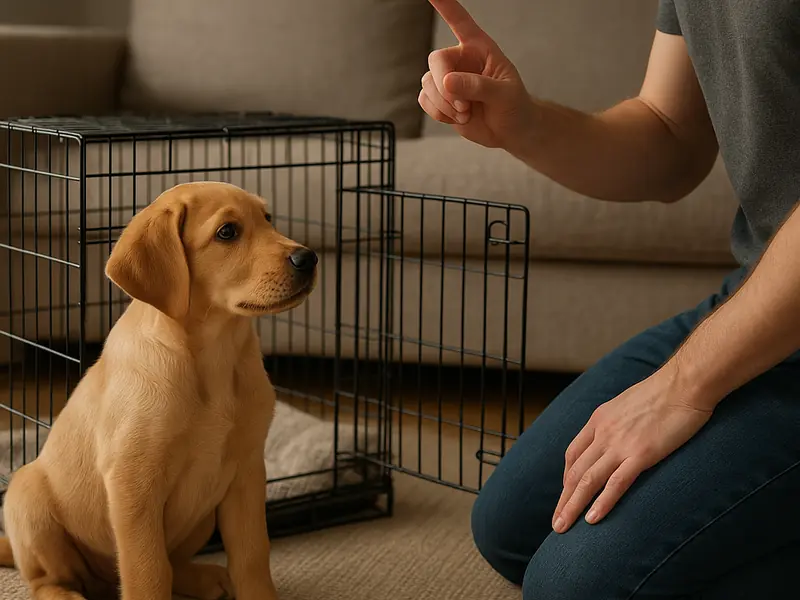
Develop a crate schedule. Puppies have small bladders and limited stamina, so plan regular outside breaks every two to three hours, plus after meals and naps. Use a cue word like crate or bed when guiding them into the space, followed by praise and a treat when they settle. Start with brief periods—five to ten minutes—and gradually extend the time as the puppy grows more comfortable. If you must be away, ensure the crate provides adequate ventilation and the door remains securely closed to prevent escapes.
Overnight routines are essential. For many households, placing the crate near the bed helps the puppy feel secure and lets you respond quickly if they need help. If the puppy whines at night, respond consistently with brief, calm reassurance rather than lengthy attention. Do not switch to sleeping outside the crate until the behavior is reliably settled. Maintain a predictable sleep pattern for several weeks and reassess, adjusting based on your puppy’s progress and your living situation.
Troubleshooting common issues is part of crate training. If the puppy resists entering the crate, shorten sessions and use high value treats inside to rekindle curiosity. For accidents inside, clean thoroughly to remove lingering scents and adjust the schedule so bathroom breaks occur more often. If chewing is a problem in or around the crate, provide sturdy chew toys and consider moving to a model with higher strength or a more secure latch. If the room is noisy or busy, a crate with softer sides or a more comfortable pad can reduce anxiety. Always avoid using the crate as punishment, because that damages trust and makes the space dreaded rather than desired.
Make crate training part of broader training goals. A well used crate supports potty training, reduces separation anxiety, and keeps your puppy safe in daily life. The approach should be tailored to your puppy’s personality and schedule. Some owners prefer compact travel crates for trips, while others lean toward heavier metal crates for durability and house safety. In addition to the crate itself, consider a few accessories such as dividers to adapt the space as your puppy grows, moisture resistant bedding, and a washable mat for cleanliness.
Guidance, resources, and conclusion
Comparisons of top companies and websites can help you choose the right crate and related gear. Midwest Homes for Pets is known for sturdy metal crates with durable locking systems and convenient folding for storage. PetSafe offers a broad range of crates including travel crates and foldable models with reliable latches and robust panels. EliteField produces soft sided crates that are lightweight and comfortable, ideal for travel and apartments. Carlson Pet Products focuses on durable metal crates with excellent ventilation and secure doors. When shopping online, retailers like Chewy, Amazon, Petco, and PetSmart provide wide selections, customer reviews, and convenient shipping or in store pickup. Prices vary by size and features but you can find affordable basic models as well as premium heavy duty options. Always check size guidelines, return policies, warranties, and customer feedback to determine the best fit for your puppy.
If you want additional guidance, many online resources and local trainers can help tailor crate practices to your home. Look for reputable sources that emphasize humane, reward based methods, and consider a few in person or virtual training sessions to refine your routine. A well planned crate training plan can be the cornerstone of a calmer household, a happier puppy, and more confident owners.
With patience, consistency, and the right crate, crate training becomes a positive habit rather than a chore. The crate becomes a reliable safe space that supports your puppy’s development and makes home life calmer for everyone.