How To Transition Dog Food Without Stomach Upset
Article
2026-07-11 • 6 min read

How To Transition Dog Food Without Stomach Upset

If you're changing your dog's food and want to avoid stomach upset, use a structured transition plan that fits your dog's routine.

Reviewed by the need-24 editorial team · Updated July 11, 2026 · Why you should trust us

Affiliate disclosure: this article contains paid links. If you buy through them we may earn a commission, at no extra cost to you.

Recommended guide Best Dog Food of 2026 See our top picks →

If you're changing your dog's food and want to avoid stomach upset, use a structured transition plan that fits your dog's routine.

The core idea behind a gentle transition

Dogs thrive on consistency, so the goal is to shift protein and fiber sources gradually rather than making a sudden swap. A staged approach gives the gut time to adjust, reduces sudden changes in stool quality, and helps you catch problems early.

Decision guide: choose your transition path

  • If your dog has a history of GI upset or loose stools, start with a gradual blend and monitor stools closely.
  • If a veterinarian has prescribed a specific diet or you are moving to a therapeutic or prescription formula, coordinate the change with their instructions and timelines.
  • If your dog is a picky eater, you may benefit from a slower pace and mild flavor pairing, while keeping portions consistent.
  • If you share households with multiple dogs and different foods, keep diets separate and avoid cross feeding to prevent accidental switches.
  • If you want to move toward a wetter food or add moisture to meals, plan for a combination of dry and wet options in small, controlled steps.
  • If your schedule changes often or you travel frequently, set fixed meal times and prepare portions in advance to reduce stress during transitions.

Practical transition methods

Method A: Gradual blend over a week or more

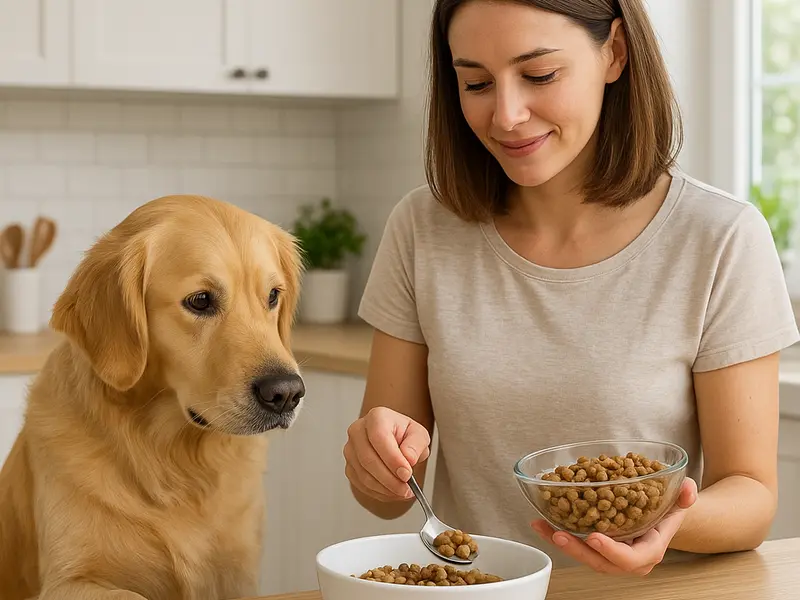
  • Start with a small portion of the new food blended into the old food and preserve most of the familiar texture.
  • Increase the new food portion while decreasing the old gradually over several days, aiming for a complete switch by the end of the transition window.
  • Keep total daily portions constant and maintain your dog at a stable feeding schedule.
  • Watch for appetite changes and stool quality; if persistent diarrhea or vomiting occurs, pause the transition and consult a veterinarian.

Method B: Soak and soften to ease digestion

  • Briefly soak dry kibble in warm water or a low salt broth to soften texture and ease swallowing.
  • Serve at a consistent feeding time and avoid leaving food out for extended periods.
  • If your dog refuses soggy kibble, drain lightly and offer a touch of the new mix on top of the old formulation, then reassess at the next meal.
  • Use this method especially when the new food has a notably different texture or if your dog grinds food slowly.

Method C: Gentle protein rotation with fiber support

  • Introduce one new protein source at a time rather than changing multiple components at once.
  • Pair the new protein with a fiber-friendly add in moderation, such as cooked pumpkin or a small amount of plain yogurt if your dog tolerates dairy and your vet approves.
  • Maintain a steady routine and avoid large, sudden changes in fat or fiber that can trigger stomach upset.
  • If your dog shows signs of intolerance, pause the rotation and revert to the previous, well-tolerated formula before trying again.

How To Transition Dog Food Without Stomach Upset

Special considerations for wet and dry mixes

  • If you are transitioning from exclusively dry to a mix that includes wet food, introduce the wet component gradually while reducing the dry portion to maintain caloric balance.
  • When rotating between brands with different moisture levels or fat content, monitor stool for consistency and adjust portions accordingly.
  • Always check that the new food is appropriate for your dog’s life stage, size, and any medical conditions, and follow any veterinary guidance.

Common pitfalls to avoid

  • Changing too quickly or introducing too much new food at once. A rapid swap can trigger vomiting, diarrhea, or an overall reluctance to eat.
  • Ignoring stool changes. If stools become consistently soft or bloody, scale back the transition and seek veterinary advice.
  • Overlooking portion control. Even with a gentle transition, feeding too much new food can lead to weight gain or stomach distress.
  • Mixing multiple new changes at once. Introduce one variable at a time, such as a single new protein, before adjusting texture or moisture.
  • Using temperatures that are too hot or too cold. Serve at a comfortable temperature to aid digestion and comfort during meals.

A practical decision checklist you can act on

  • Decide the pace of transition based on your dog’s current digestion and history.
  • Choose a primary transition method and commit to it for a clearly defined period.
  • Plan for moisture or texture adjustments if moving from dry to wet or softened foods.
  • Establish a consistent feeding schedule and appropriate portion sizes based on the dog’s weight and activity level.
  • Prepare portions in advance when possible to reduce meal-time stress and errors.
  • Monitor appetite, stool quality, energy, and overall mood at each stage.
  • Have a vet contact plan ready in case of persistent GI symptoms or if there are any red flags.

Realistic expectations and when to seek guidance

  • Most dogs will adjust to a new formula within days to a couple of weeks if you follow a steady, gradual pace.
  • Expect temporary changes in stool, appetite, or energy during the transition. These should gradually normalize.
  • If your dog exhibits persistent diarrhea, vomiting, lethargy, or a refusal to eat for more than a day, pause the transition and consult a veterinarian.
  • If your dog has a chronic condition such as pancreatitis or food allergies, or is on medications, coordinate any diet changes with the prescribing veterinarian.

Practical notes on sizes, materials, and setup

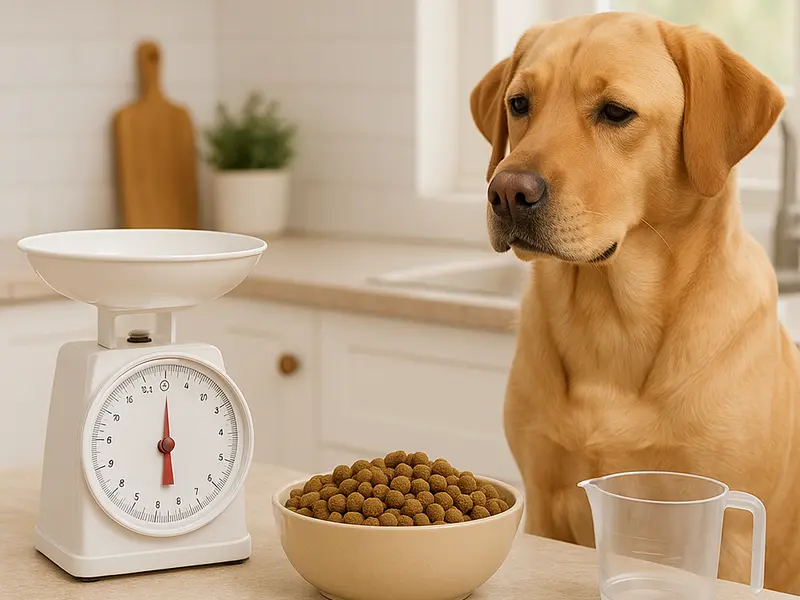
  • Portion tools: Use a standard measuring cup or a kitchen scale to track portions accurately; large breed dogs require different daily amounts than small breeds.
  • Food types: Dry kibble, wet canned food, and pouches each have different moisture and energy densities; factor these into portion sizes and transition timelines.
  • Bowl choices: Stainless steel or sturdy ceramic bowls are easy to clean and less prone to harbor odors than plastic; ensure bowls are at a comfortable height for your dog.
  • Storage: Keep opened bags sealed to preserve freshness; rotate proteins cautiously and keep a simple record of what was introduced and when.
  • Feeding environment: A quiet, consistent feeding area reduces stress during a transition and helps prevent food guarding or distractions.
  • Common mistakes to avoid during setup: serving meals too close to other dogs, changing feeding times abruptly, or leaving wet food out for extended periods.

Final notes on making this decision

  • A thoughtful transition plan aligns with your dog’s routine and health history, reducing the risk of gut upset and keeping mealtimes predictable.
  • The best approach often blends gradual exposure with practical meal management, rather than a single rigid rule. Adapt the pace to your dog's signals and never hesitate to pause and consult a professional if concerns arise.
  • By keeping a clear plan, you can maintain appetite, stool regularity, and energy during a change in diet while avoiding unnecessary stress for you and your dog.

Frequently asked questions

What is the main goal of a gentle transition when changing your dog's food?

To shift protein and fiber sources gradually so the gut has time to adjust, reducing stool changes and helping catch problems early.

What factors should guide the choice of a transition path for your dog?

Consider your dog's history with GI upset, any vet-prescribed diet, and whether the dog is a picky eater. Also account for a multi-dog household and plans to move to wetter foods or adjust feeding schedules, and adjust the pace accordingly.

What practical methods can you use to transition your dog's food?

Three approaches are described: gradual blend over a week or more, soaking dry kibble to soften it, and gentle protein rotation with fiber support.

When should you pause the transition and seek veterinary advice?

If diarrhea or vomiting persists, the dog is lethargic, or refuses to eat for more than a day, pause the transition and consult a veterinarian.

Related articles

← Back to all articles