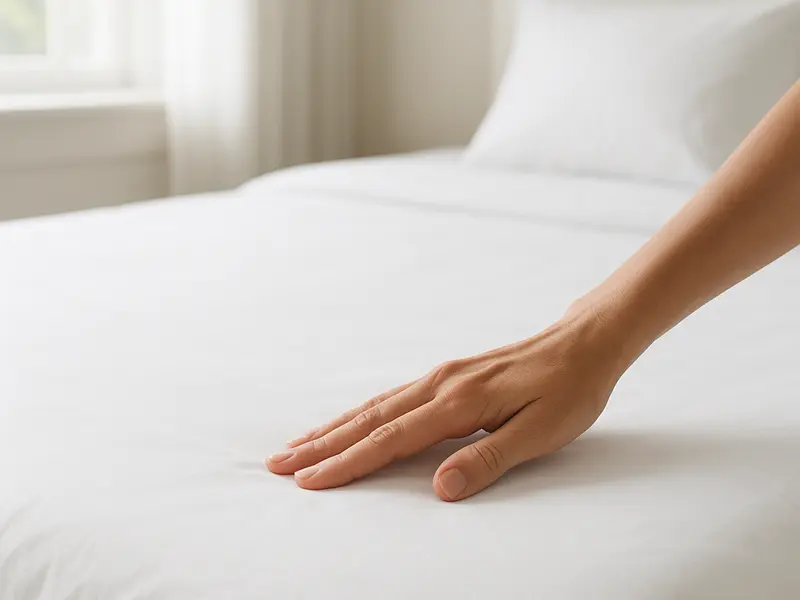
If your goal is a bed that stays comfortable through the night, the fastest path to the right sheets is to match the fabric and weave to how you sleep, rather than chasing a single "best" spec. Start with a few questions: do you sleep hot or cool, do you like a crisp or a silky feel, and how much care are you willing to give? Then pick a material and weave that fit. For most people who sleep warm, cotton percale or linen feels cool and stays practical over time. If you want a smoother, softer feel with more drape, cotton sateen is appealing but tends to sleep warmer. For winter warmth, flannel is the cozy option, and microfiber is a budget, easy-care choice that some sleepers find warm.
Related on Amazon · Paid links
-
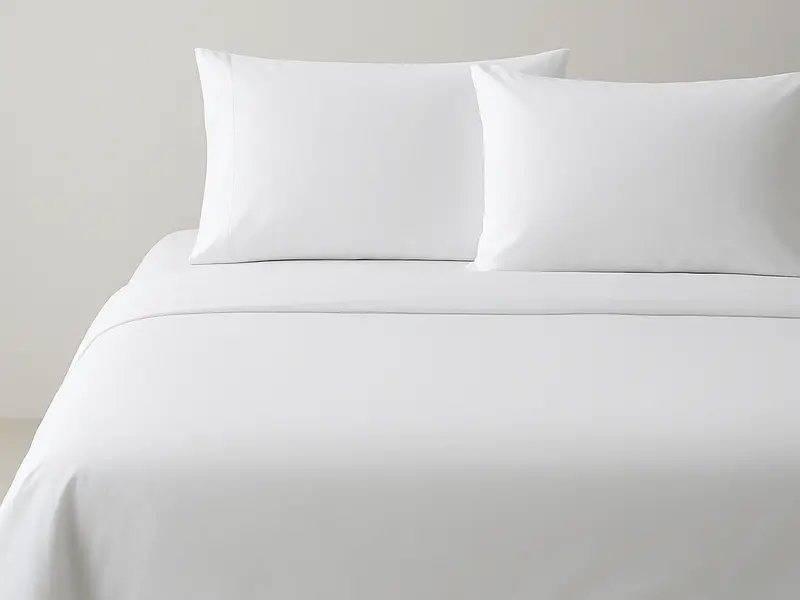 Cotton Bed Sheets on Amazon
Browse top-rated cotton bed sheets on Amazon — compare prices, features, and customer reviews.
Check price on Amazon
-
 Wool Dryer Balls on Amazon
Browse top-rated wool dryer balls on Amazon — compare prices, features, and customer reviews.
Check price on Amazon
We may earn a commission if you buy, at no extra cost to you.
Materials to understand
- Cotton, in different weaves and fiber qualities
- Linen, a breathable, textured alternative
- Silk, a luxury option
- Rayon made from bamboo
- Synthetics and blends for price and easy care
Cotton options
Cotton is the most common choice for everyday sheets. How it feels depends on the weave and the length of the fibers.
- Percale: a plain one-over, one-under weave that feels crisp, matte, and breathable. Percale is a popular choice for warm climates and hot sleepers. It can feel a little stiff at first, softens with washing, and wrinkles easily.
- Sateen: a weave that floats more threads on the surface, giving a smooth, silky feel, a slight sheen, and more drape. Sateen tends to feel warmer than percale and can show wear such as pilling or snags sooner, depending on quality.
- Long-staple cotton: Egyptian and Pima (including Supima) cottons have longer fibers, which make smoother, stronger yarns that tend to resist pilling and soften well with washing. They cost more, and "Egyptian" on a label doesn't guarantee quality on its own, so look for reputable brands and certifications.
- Flannel: cotton brushed to raise soft fibers, which traps warmth. It's cozy for cold bedrooms but too warm for many people in summer.
- Cotton blends: blends with polyester can improve wrinkle resistance and lower the price, but they usually feel less breathable than pure cotton.
Linen
Linen, made from flax, is very breathable and feels cool to the touch, which is why many hot sleepers and people in warm climates like it. It has a textured, relaxed look with natural wrinkles, can feel rough when new, and softens noticeably with washing. It is usually more expensive than cotton.
Silk
Silk has a smooth, slippery feel that some people love. It is expensive, needs gentle washing or dry cleaning, and is more delicate than cotton or linen.
Bamboo sheets
Most sheets sold as "bamboo" are actually rayon (often called viscose or lyocell) made from bamboo pulp through chemical processing. The Federal Trade Commission requires these to be labeled as rayon or viscose "made from bamboo," and it has fined retailers for advertising rayon as bamboo. These sheets often feel very soft and smooth, much like sateen. Durability varies by brand, and many need gentle washing to stay soft.
Synthetics and blends
Microfiber, a finely woven polyester, is inexpensive, wrinkle-resistant, and easy to care for. It is less breathable than natural fibers, so some sleepers find it warm. It can be a good budget option for guest rooms or households that wash sheets often.
Weave and feel
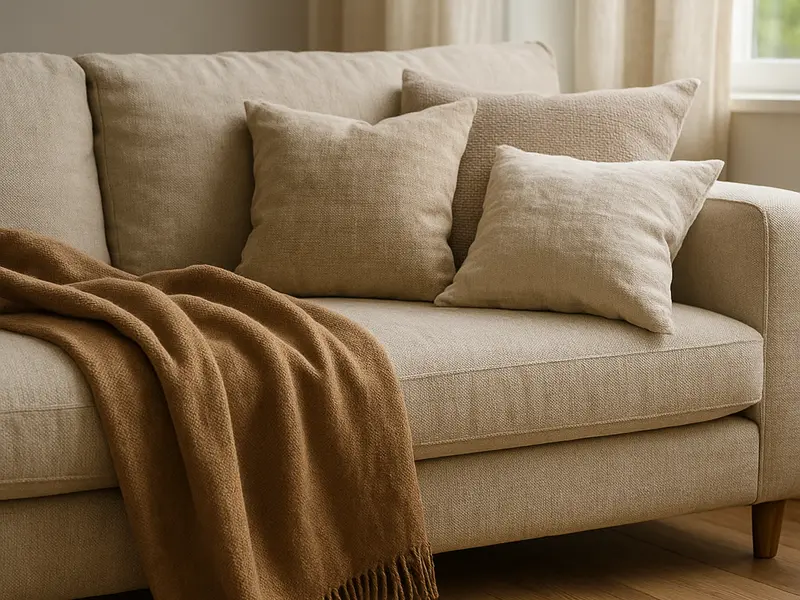
- Percale versus sateen: percale is crisp, cool, and matte and wrinkles more; sateen is smooth, soft, and slightly lustrous and tends to feel warmer.
- Look: linen's texture reads as casual and relaxed, while sateen and silk look sleeker and more polished.
- Care: percale and linen improve with washing; sateen can lose some sheen with harsh washing, and blends and microfiber may pill over time.
Don't rely on a single number like thread count. A well-made percale in the 200 to 400 range with good long-staple yarns can feel better and last longer than a sheet with a very high count made from thin or multi-ply yarns, which some brands count in ways that inflate the number. Fiber quality, weave, and finishing matter as much as the count.
Use-case driven recommendations
- If you sleep hot or live in a warm climate: choose cotton percale or linen. Both are breathable and tend to feel cooler at night.
- If you want a soft, smooth feel from the first night: consider long-staple cotton sateen, or rayon made from bamboo, and expect them to feel a little warmer than percale.
- If you want warmth in winter: flannel is the classic choice.
- If you value easy care and a low price: microfiber or cotton-polyester blends resist wrinkles and are inexpensive, with some loss of breathability.
- If you have sensitive skin: look for sheets with a certification such as OEKO-TEX STANDARD 100, which means the fabric was tested for certain harmful substances, and wash new sheets before use. If you have a skin condition, ask your doctor or dermatologist what fabrics they recommend.
- If you want durability: long-staple cotton percale and good linen generally hold up well to frequent washing.
Care and maintenance
- Follow the care label. Warm or cool water and a mild detergent suit most cotton and linen sheets; hot water can increase shrinkage and wear.
- Avoid chlorine bleach on colored sheets and use it sparingly, if at all, on whites; it weakens fibers over time. Oxygen-based whiteners are gentler.
- Tumble dry on low or medium, and remove sheets promptly to reduce wrinkles. Linen and percale can also be line-dried.
- Fabric softeners and dryer sheets can leave a coating that makes some fabrics feel less breathable and absorbent. If your sheets feel slick or less cool, try skipping them.
- Store sheets clean and fully dry in a cool, dry place, and rotate two or more sets to spread out wear.
Common mistakes to avoid
- Relying on thread count alone: a higher number doesn't guarantee better sheets.
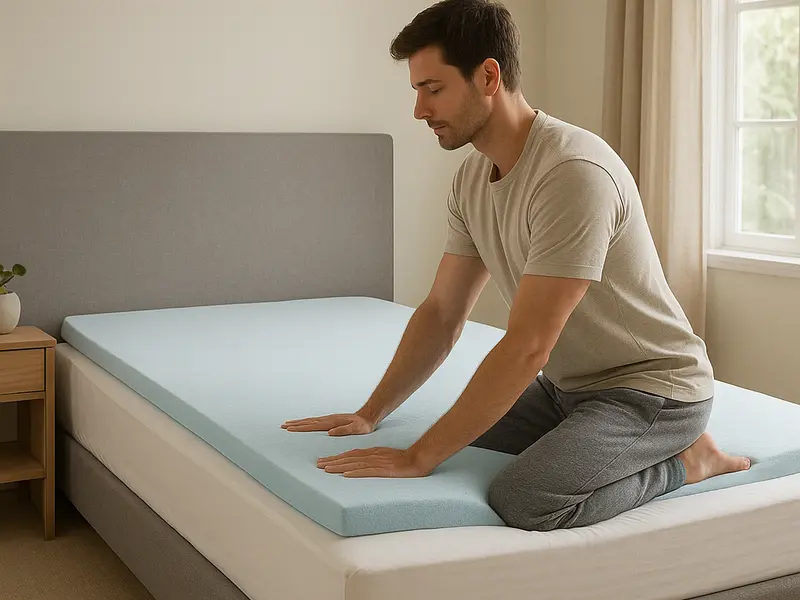
- Ignoring mattress depth: check the fitted sheet's pocket depth against your mattress, including any topper, so corners don't pop off.
- Choosing a finish without considering climate: sateen can feel warm in a hot bedroom, and flannel is a winter fabric.
- Overlooking care needs: choose a fabric that matches how often and how you do laundry.
- Not checking the feel: if possible, feel the fabric in a store, or buy from a retailer with a reasonable return policy.
A practical decision checklist
- Do you run warm or cool at night?
- Do you prefer crisp and airy, or smooth and silky?
- Is a third-party certification important to you because of sensitive skin?
- Do you want low-maintenance sheets, or are you happy with more attentive care?
- How deep is your mattress, including any topper?
- Is your priority breathability (percale, linen) or softness and drape (sateen, rayon from bamboo, silk)?
- How long do you want the sheets to last, and how often will you wash them?
- What is your realistic budget?
- Do reviews mention shrinkage, pilling, and how the sheets hold up after many washes?
Final guidance
For most buyers, cotton percale or linen is a practical starting point, especially for hot sleepers and warm climates. If you want a smoother, more luxurious feel and don't mind a little extra warmth, long-staple cotton sateen is worth a look. If easy care and price come first, microfiber or a cotton blend will meet everyday needs. Whatever you choose, comfort is personal: the best sheets are the ones you sleep well in, not the ones with the most impressive label.