How To Choose A Dutch Oven Size
Article
2026-07-11 • 8 min read

How To Choose A Dutch Oven Size

Choosing the right Dutch oven size is one of the few decisions that quietly influences every weeknight dinner and weekend roast. Start by mapping your current cooking load to a practical range, then refine by material, weight, and storage. This guide cuts t...

Reviewed by the need-24 editorial team · Updated July 11, 2026 · Why you should trust us

Affiliate disclosure: this article contains paid links. If you buy through them we may earn a commission, at no extra cost to you.

Recommended guide Best Cookware of 2026 See our top picks →

Choosing the right Dutch oven size is one of the few decisions that quietly influences every weeknight dinner and weekend roast. Start by mapping your current cooking load to a practical range, then refine by material, weight, and storage. This guide cuts through marketing talk with concrete scenarios, honest trade offs, and a clear decision path you can act on.

Size basics you can use in the real world

Dutch ovens come in a range of capacities that matter far more than brand names. The capacity you actually need depends on how you cook, not just how much you own. Most households fall into one of these practical ranges:

  • Small families or singles: four to five quarts (roughly four to five liters) cover weeknight stews, braises, or a roasted chicken for one to two servings of leftovers.
  • Small to mid sized families: six to seven quarts (about six to seven liters) handle weekly soups, a pot roast, or two dishes that share a cooking window.
  • Medium to large families or entertaining: eight to ten quarts (around eight to ten liters) are comfortable for big batches, multiple sides, or a large turkey portion.
  • Large gatherings or serious batch cooking: twelve quarts (about twelve liters) let you make stock, chili for crowds, or multiple dishes at once.

A practical rule of thumb is to choose a size that accommodates your most frequent dish in a typical week without crowding the pot. If you constantly fill a six to seven quart pot to just under the rim for stews and braises, a larger model will give you headroom; if you routinely cook small meals for one and rarely fill a pot more than half, a smaller size saves weight and space.

Note that capacity is not the only factor. The interior diameter affects how quickly food browns or braises, and larger pots often require longer preheating and more careful handling. When you choose a size, think about both the cooking volume and how you’ll physically lift and maneuver the pot.

Material matters: enamelled cast iron vs bare cast iron

Two broad families dominate the market. Each has its own size considerations and tradeoffs that can tilt your choice:

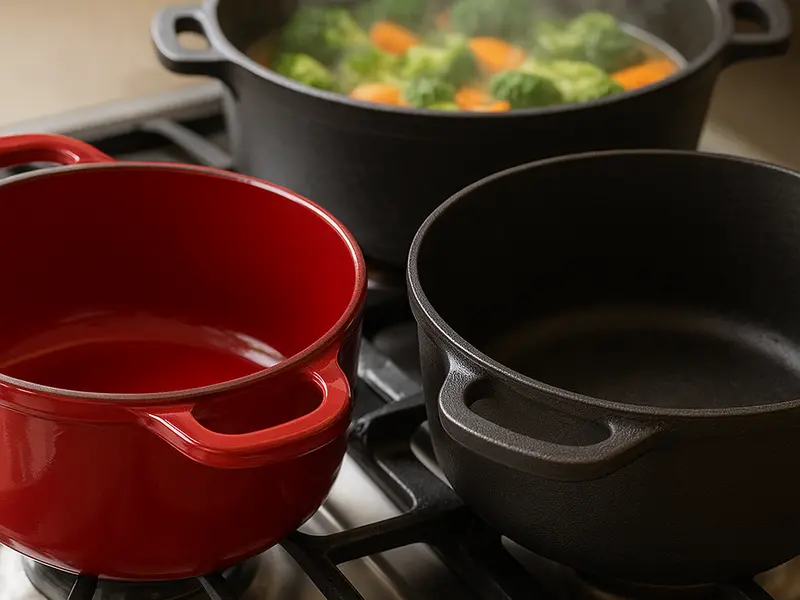
  • Enamelled cast iron
  • Pros: Easy to clean; nonreactive surface is friendly to tomatoes, wine, and acidic sauces; no seasoning required; evenly distributes heat and can tolerate simmering and low and slow cooking.
  • Cons: Heavier at larger sizes; more expensive; potential for chipping if mishandled; enamel can discolor with heavy use or high heat.
  • Practical impact on size decision: if you want a family friendly pot that you can scrub clean after a long braise, an enamelled size in the six to eight quart range is often the most versatile choice.
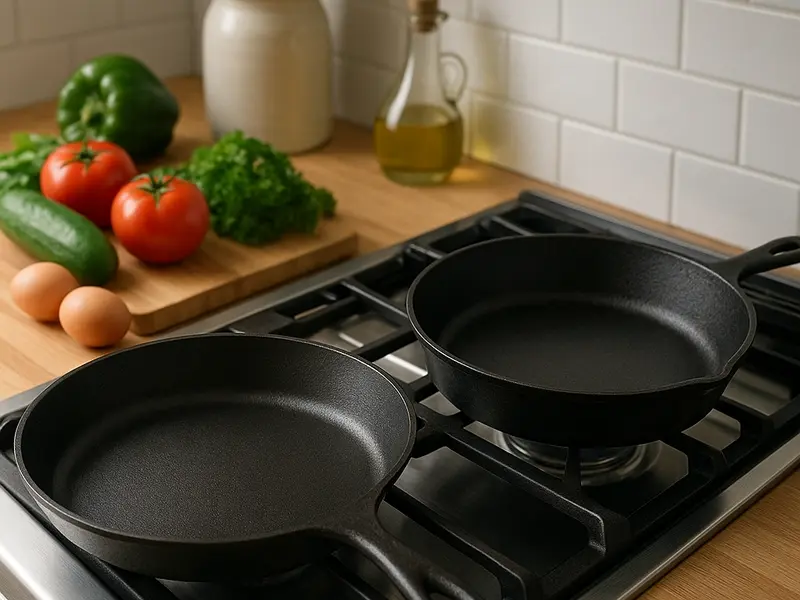
  • Bare cast iron
  • Pros: Excellent heat retention; takes high heat well for searing; lightweight compared to a similarly sized enamelled pot when considering long handles; long lasting with proper seasoning.
  • Cons: Requires regular seasoning and careful cleaning to avoid rust; reactive with acidic foods unless well seasoned; more maintenance and care.
  • Practical impact on size decision: if you already cook with cast iron and like searing meat before braising, a six to eight quart bare cast iron can be a robust, durable choice, provided you’re comfortable with seasoning upkeep.

When deciding on size, consider your tolerance for maintenance and your typical cooking style. If you want a “set it and forget it” kitchen tool, enamelled variants in mid to larger sizes are typically more user friendly for most households. If you love the ritual of seasoning and cooking on cast iron, a lighter, well seasoned larger or medium size may suit you.

Practical use cases by size

If you are cooking for X, choose Y because Z. This quick mapping helps translate vague capacity to real dinners:

  • If you are cooking for one or two people most nights, and your best weekday dish is a braise or a one pot meal, a four to five quart pot is usually enough because it heats quickly, fits a smaller oven, and keeps cleanup simple.
  • If you host a family of four most evenings, aim for six to seven quarts. This size handles a standard family favorite like a pot roast with vegetables or a big pot of chili with a couple of side dishes without crowding.
  • If you regularly prepare soups, stews, and roasted chicken for a family of six or more, eight to ten quarts offers a comfortable buffer for generous portions and the occasional second dish cooked at the same time.
  • If your calendar includes frequent gatherings or you like making stock, sauces, and braises in large batches, twelve quarts give you the flexibility to do two dishes concurrently or a very large roast with room for sides.

Another practical angle is oven and stove compatibility. A larger Dutch oven sits higher on the stovetop burner and may require a slightly wider oven rack. If you have a smaller oven or prefer a pot that fits easily on a single shelf, a mid sized eight quart model often balances capacity with fit.
Size versus weight and handling

How To Choose A Dutch Oven Size

Weight becomes a real constraint as you move beyond four or five quarts. A typical six to eight quart enamelled pot can weigh some twelve to eighteen pounds when empty, and more when full. If you have to lift the pot onto a high counter or into a hot oven frequently, a heavier model is a practicality Consider a helper handle or lighter materials where possible, and ensure you can safely lift with a good stance and grip.

  • Practical tip: test the weight with an empty pot in the store or at home if you can borrow one. If you struggle to lift a six quart pot without straining your back, consider a smaller size or a lighter coated model.
  • Practical tip: check lid fit and interior finish. A well fitting lid traps moisture and heat effectively, which matters more as you go larger.

Care and durability implications by size

Care routines subtly change with size and material:

  • Enamelled cast iron: gentle cleaning, avoid harsh abrasives, and never soak long if you want to protect the enamel. For dishwasher safe claims, verify the model; many recommend hand washing to preserve the enamel’s surface.
  • Bare cast iron: rinse with warm water and scrub gently; dry immediately to prevent rust; apply a light coat of oil after cleaning. The maintenance is worth it for longevity, but it does require an ongoing seasoning routine.

Storage considerations also come into play. A large pot takes more cabinet space or shelf room, and you’ll want a place where you can handle it without banging into other pots. If storage is tight, a mid sized option may reduce friction in your kitchen while still covering a broad range of meals.

Common mistakes to avoid

  • Overfilling: a pot that is too full can cause uneven cooking and spillover, especially on the stove.
  • Using metal utensils in enamelled surfaces: can chip the enamel over time.
  • Rushing preheating: large pots take longer to come up to temperature; skipping this step leads to uneven searing and longer braising.
  • Ignoring maintenance: failing to season bare cast iron or clean enamel properly can shorten the pot’s life and dull its performance.

When not to buy or when to reconsider

  • If you cook very small meals or rarely braise, a four quart pot may be more than enough and prevent unnecessary weight and storage demands.
  • If you have a glass top range, ensure the bottom of the pot is flat and stable to avoid heat spots or scratches; very large or tall pots can be risky on a slick surface.
  • If you’re renting or move often, consider a mid sized enamelled option that is easier to maintain and transport than a heavy bare cast iron.

A concise decision checklist you can act on

  • Determine your typical dinner size and frequency of leftovers.
  • List the number of people you regularly feed and how often you roast or stock.
  • Confirm your storage space and how much weight you’re comfortable lifting.
  • Decide between enamelled and bare iron based on maintenance tolerance and acid cooking plans.
  • Choose a size that comfortably fits at least one standard recipe plus a side dish without crowding.
  • Verify oven and stove compatibility, particularly if you use a range with an unusual burner layout or a small oven.
  • Ensure the lid seals well and the interior finish is suitable for your cooking style.
  • Plan for practical use cases rather than occasional showpiece cooking.

How to translate this into your purchase plan

If your current pans are skewed toward quick weeknight meals for two, start with a four to five quart enamelled option that you can use for everything from stews to simple roasts. If you cook for three to five people most nights, consider a six to seven quart model with a nonreactive interior to manage tomato sauces and other acidic dishes without frequent reseasoning. For larger families or frequent gatherings, an eight to ten quart size balances versatility with weight and handling, especially if you expect to do stock or big roasts. Finally, reserve a twelve quart pot for very large gatherings or ambitious batch cooking.

The right size is not a single correct answer; it is the size that best aligns with your cooking rhythm, your tolerance for maintenance, and the space you have to store and handle the pot. By focusing on real use cases, you avoid paying for capacity you rarely use and you gain a tool that genuinely supports your cooking style.

In short, start with the question: what is the largest single dish I cook regularly, and for how many people? Then refine by material, weight, and storage constraints. If you can map your routine to a size range and stay mindful of the maintenance trade offs, you’ll end up with a Dutch oven that becomes a dependable workhorse rather than an underutilized luxury.

Frequently asked questions

How do I choose the right Dutch oven size for my family size?

Use the practical size ranges: four to five quarts for one to two people, six to seven quarts for a small to mid-sized family, eight to ten quarts for larger families or entertaining, and twelve quarts for very large gatherings. Choose a size that fits your most frequent dish without crowding and give yourself headroom if you regularly cook bigger batches.

What’s the difference between enamelled and bare cast iron when choosing size?

Enamelled cast iron is easier to clean, nonreactive, and generally more user-friendly at mid-to-large sizes, while bare cast iron handles high heat and searing but requires regular seasoning and more maintenance. If you want a 'set it and forget it' tool, enamelled mid to large sizes are common; if you enjoy seasoning and know you’ll cook with high-heat techniques, a six to eight quart bare cast iron can fit well.

How does weight affect which size I buy?

Weight increases with size; a typical six to eight quart enamelled pot weighs about 12–18 pounds empty, so ensure you can lift it safely and consider a helper handle or a lighter option if needed.

What practical checks should I run before buying?

Think through your normal dinners: how many people you regularly feed, whether you frequently stock or cook multiple dishes, and whether your oven or stove has size constraints. Also check lid fit, interior finish, and ensure the pot will fit on your oven rack and in storage without crowding.

Related articles

← Back to all articles