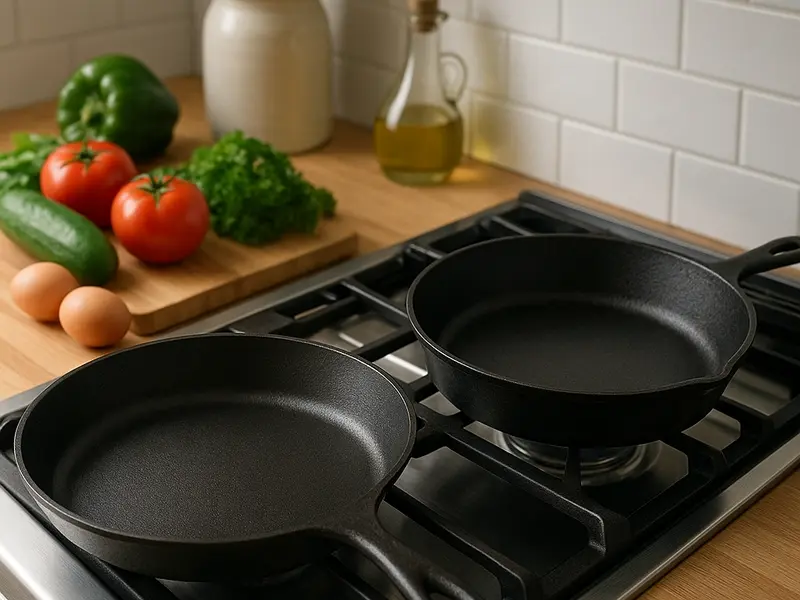
For a beginner shopping for a skillet today, carbon steel is usually the best first purchase. It heats quickly, is lighter, and covers a wide range of everyday tasks from eggs to quick stir-fries. Cast iron is excellent for maximum heat retention and a pan that can last for generations, but its extra weight and longer seasoning routine make it a steeper learning curve. If you’re drawn to one pan that can do most tasks with less effort, carbon steel is the practical starting point. If your kitchen goals lean toward epic sears and slow oven-braising in a single, rugged tool, cast iron remains worth considering.
How to think about the two options
Core differences that matter for a beginner
- Weight and handling: Carbon steel is notably lighter than cast iron. That means easier flipping, lifting, and control, especially on a busy weeknight.
- Heat behavior: Carbon steel heats up briskly and responds quickly to changes in heat. Cast iron takes longer to heat and cool, but it holds onto heat exceptionally well once hot.
- Seasoning and maintenance: Both are seasoned surfaces that improve with use. Carbon steel typically requires ongoing seasoning and careful drying to prevent rust. Cast iron also seasons, but many beginners find enamel coated or cast iron with a smoother initial experience and less frequent upkeep.
- Durability and care: Cast iron is famously tough but very heavy and prone to chalky residues if not seasoned and dried properly. Carbon steel can warp if overheated when dry and is more prone to surface rust if left damp for too long, though it’s generally easier to repair with a new seasoning layer.
- Price and practicality: Carbon steel pans usually come in lighter price ranges and are a common gateway to serious cooking. Cast iron can last a lifetime but often costs more upfront and requires more storage space due to its heft.
- Compatibility and versatility: Both work on gas, electric, induction, and in the oven. Carbon steel often feels more versatile for quick weeknight dishes; cast iron shines in high-heat searing, roasting, and long braises.
How sizes and shapes influence daily cooking
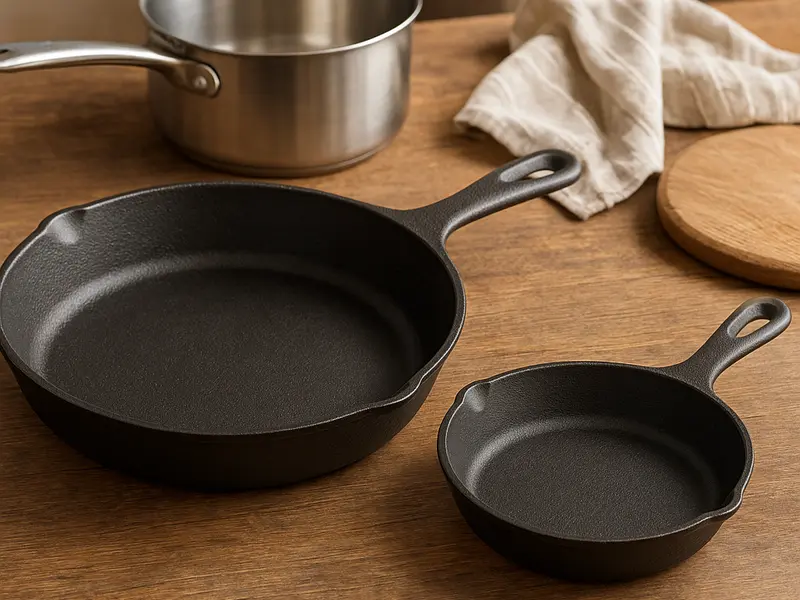
- Common sizes: 8 inch and 10 inch carbon steel pans are common for one-person meals or small dishes; 12 inch pans cover family meals and larger portions. Cast iron often comes in similar sizes but feels heavier, and the larger pans can be taxing to handle.
- Handles and lids: Carbon steel pans tend to have long, ergonomic handles that stay cooler for longer and are easier to maneuver. Cast iron pieces may have dual handles on smaller sizes and a heavy, single handle on larger ones. Lids are less common with carbon steel and more common with cast iron sets.
- Surface finish and seasoning layer: Carbon steel starts a pale grey and develops a natural patina with use. Cast iron darkens and becomes more seasoned over time, which can influence nonstick performance and flavor development.
If you cook X, choose Y because Z
- If you frequently cook eggs, omelets, and delicate sauces: choose carbon steel because it heats quickly and responds to changes in temperature, which helps with gentle cooking and control. A well-seasoned surface reduces sticking and makes cleanup easier.
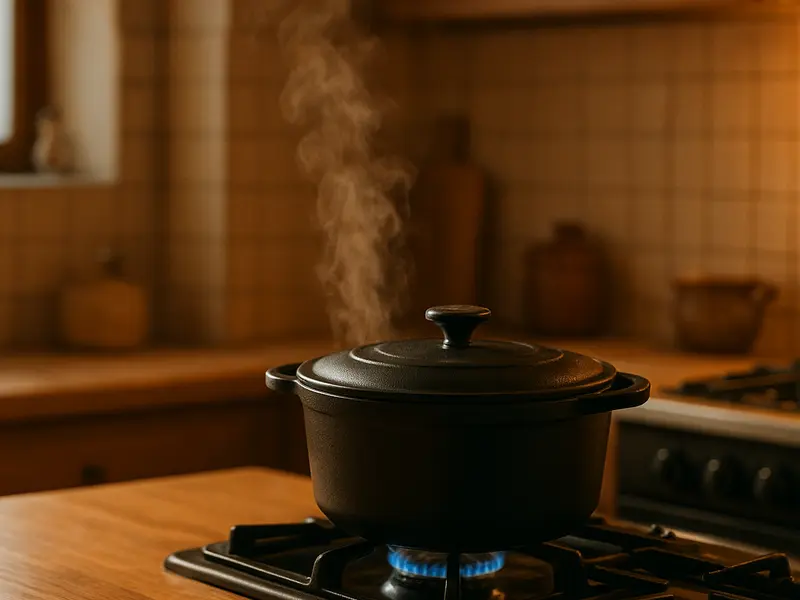
- If you do a lot of high-heat searing or oven-to-table meals: choose cast iron because its heat retention can deliver even browning and a crusty exterior, especially when finishing in the oven.
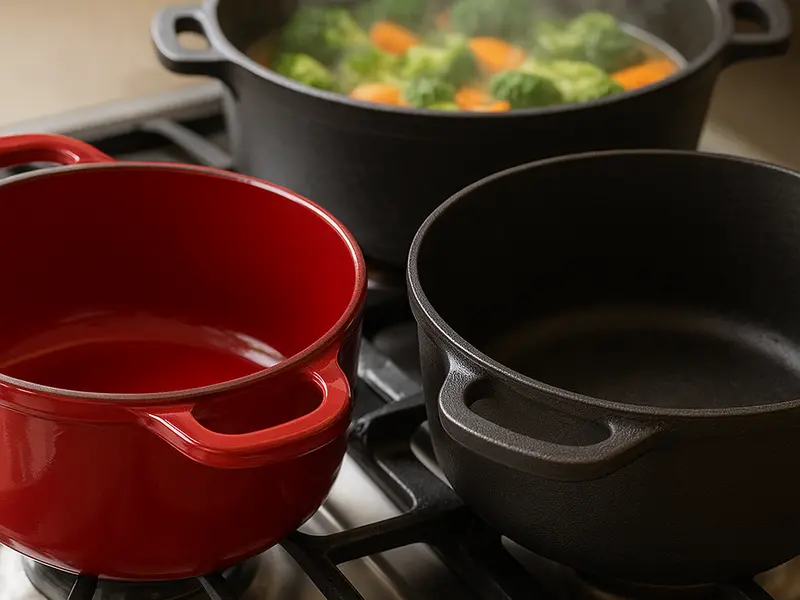
- If you want a single pan for a small kitchen and you don’t want to worry about seasoning every week: consider enamelled cast iron as a practical variant; it comes pre-seasoned in a nonreactive enamel coating, which reduces rust risk and makes cleaning straightforward. Keep in mind enamel can chip if dropped or knocked against a hard surface.
- If you value portability and ease of storage: choose carbon steel; it is lighter, and a well-kept pan can still deliver excellent results without the bulk of cast iron.
- If you rely on your cookware for acidic dishes like tomato sauces: both steels will react if the seasoning layer isn’t intact, but enamel coated options for cast iron minimize surface reaction and simplify care.