Enameled Vs Bare Cast Iron Dutch Oven
Article
2026-07-30 • 9 min read

Enameled Vs Bare Cast Iron Dutch Oven

If you are deciding between an enameled and a bare cast iron Dutch oven, your choice should hinge on your cooking style, maintenance expectations, and how you balance ease of use with cooking versatility. The two options share core strengths—great heat rete...

Reviewed by the need-24 editorial team · Updated July 30, 2026 · Why you should trust us

Affiliate disclosure: this article contains paid links. If you buy through them we may earn a commission, at no extra cost to you.

Recommended guide Best Cookware of 2026 See our top picks →

If you are deciding between an enameled and a bare cast iron Dutch oven, your choice should hinge on your cooking style, maintenance expectations, and how you balance ease of use with cooking versatility. The two options share core strengths—great heat retention, rugged durability, and excellent oven-to-table performance—but they behave differently in the kitchen. This guide explains who benefits from each, the trade-offs, and practical tips to help you decide with confidence.

How they differ in practice

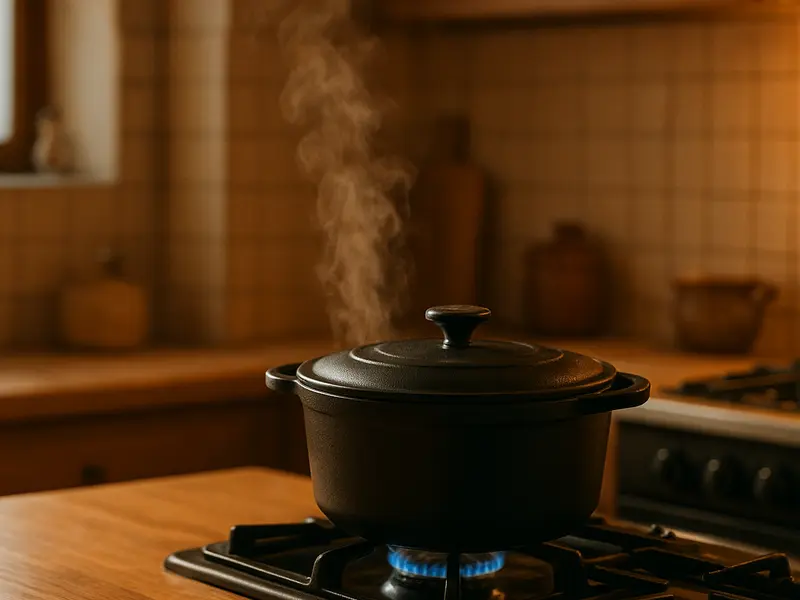
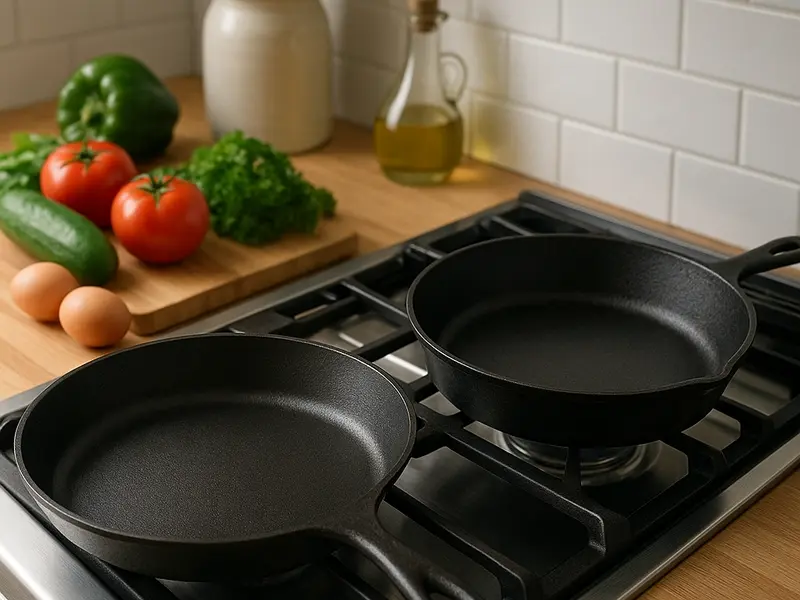
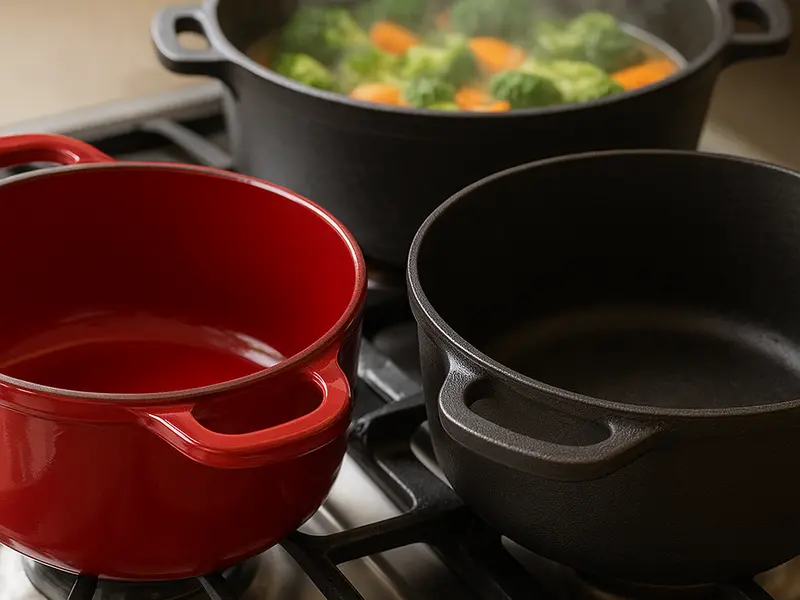
A bare cast iron Dutch oven is essentially seasoned metal. It develops a natural nonstick surface over time when properly cared for, and it excels at high-heat browning and long, steady braises. It can tolerate extremely high temperatures, is highly versatile for stovetop and oven use, and often lasts for generations with proper upkeep. The enameled version uses a ceramic glaze bonded to the iron. That glaze makes the interior nonporous, stain-resistant, and easier to clean, and it handles acidic ingredients without discoloration. Enamel-coated pots come in a range of colors and can go straight from stovetop to table with less risk of staining or seasoning woe.

Who should consider enameled cast iron

  • You want easy maintenance and less hands-on upkeep. Reviewers consistently report that cleaning enamel is simpler, especially after cooking acidic sauces like tomato-based stews or wine-heavy braises.
  • You frequently cook with acidic ingredients. The enamel prevents the iron from reacting with acids, which can help preserve flavor and avoid metallic notes.
  • You want a cookware piece that doubles as a table centerpiece. The glossy enamel finish resists staining and provides a bright, uniform surface that looks presentable at the table.
  • You are looking for a lighter initial feel. In many cases enamel coats add a touch of extra weight, but for some people the absence of seasoning upkeep is a major win.
  • You want to avoid seasoning maintenance or rust risk. Enamel-coated interiors don’t require regular oiling or periodic reseasoning, which can be appealing if you’re not set up for routine upkeep.

Trade-offs to keep in mind - Enamel can chip or crack if dropped or subjected to sudden temperature changes, which means you should avoid preheating a cold pot or plunging a hot pot into cold water. - The interior enamel may wear over many years, especially with frequent metal utensil use, so you may see micro-scratches. It won’t develop a familiar “seasoning layer” that some cooks prize in bare cast iron. - Enamel pots often come with a higher upfront cost and may be more susceptible to color wear around the rim or lid.

Who should consider bare cast iron

  • You want maximal heat tolerance and outstanding browning. Bare cast iron has no glaze to impede high-heat searing, making it a favorite for traditional pot roasts and deeply caramelized fond.
  • You’re committed to seasoning and long-term upkeep as part of your cooking ritual. A well-seasoned surface can become nearly nonstick with use and improves with time, gifting you ever-better patina.
  • You routinely cook at very high temperatures or dish out rugged kitchen-duty tasks like frying chicken or making crispy skillet breads; many cooks find bare cast iron more forgiving for high-heat techniques.
  • You’re purchasing for a kitchen that values long life and repairability. Bare cast iron, with proper care, can last for decades and is often handed down as a family piece.
  • You prioritize a broader “grit-free” interior if you dislike the idea of enamel chipping or staining.

Trade-offs to keep in mind - Bare cast iron requires seasoning and regular maintenance to prevent rust and to maintain a smooth surface. You’ll need to dry immediately after washing and apply a thin coat of oil. - It’s heavier, particularly in larger sizes, and the interior surface will darken with use, which some cooks see as a positive sign of seasoning and flavor-building; others prefer the consistent light color of enamel. - Cleaning can be more involved, especially cleaning stuck-on bits after simmering or deglazing. You should avoid soap in some traditional schoolings, though modern guidance often allows gentle soap with thorough drying.

Practical specs to compare

  • Heat retention and distribution: Both options perform well, but bare cast iron often edges out in even browning after a long sear. Enamel coats can slow down heat transfer marginally but handle uneven heat well too.
  • Nonstick behavior: Bare cast iron becomes smoother with seasoning and use, yet it never truly replaces modern nonstick pans. Enamel provides a nonporous surface that lets you cook with less oil and makes cleanup easier.
  • Cleaning and care: Enamel requires gentler care but can crack; bare cast iron needs drying, oiling, and careful storage to prevent rust but tolerates heavier scrubbing without damage.
  • Durability: Bare cast iron is extremely rugged and repairable; enamel can chip if dropped and requires careful handling but resists scratching from acidic foods.
  • Storage and aesthetics: Enamel offers a broad palette of colors that can brighten a kitchen; bare cast iron is more muted but blends with rustic or traditional kitchen decor.
  • Longevity and resale: Both can last for many years, but enamel surfaces may require replacement if chips or cracks become severe, whereas bare cast iron is often refinished by re-seasoning.
Sizes, shapes, and versatility

Enameled Vs Bare Cast Iron Dutch Oven
  • Common sizes: A 4 to 6 quart pot covers everyday family meals and most braises; 7 to 8 quart is handy for larger roasts or soups; smaller six-to-eight inch fry or sauté bottoms are useful for side dishes or warming plates.
  • Shape and lid: Most Dutch ovens are round with a tight-fitting lid; some offer a shallow oval shape for roasts or multiple smaller portions. The lid helps retain moisture for braising; a tight lid reduces evaporation during long cooks.
  • Handles and grip: Cast iron handles are sturdy but can get hot; enameled versions sometimes feature a phenolic or stainless steel knob that stays cooler when oven temperatures soar. Check lid weight and handle comfort if you plan to lift in and out of the oven frequently.

Common use cases and technique notes

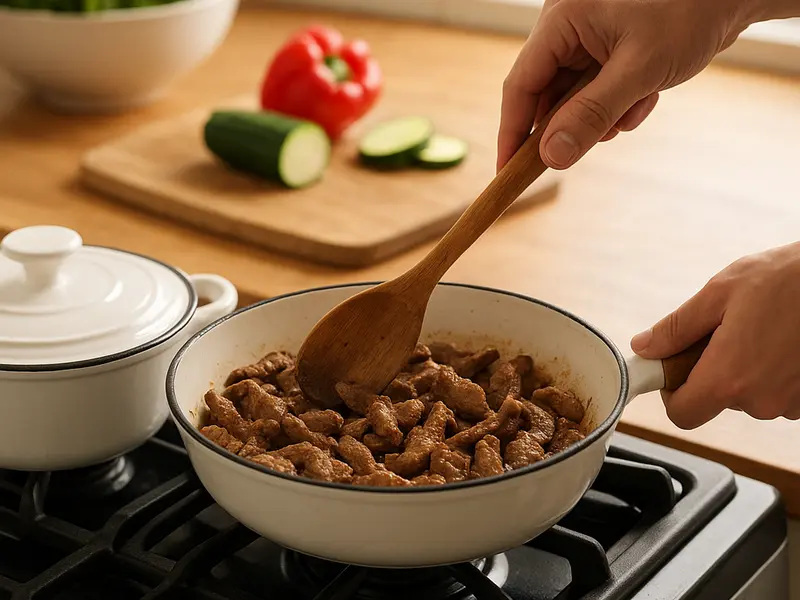
  • Braising and stews: Both types excel at slow, low-heat braises. Start with browning on high heat, deglaze, then move to a low oven or low simmer on the stove. Enamel helps with easy cleanup after strong flavors like wine and tomato-based sauces.
  • Searing before braising: Bare cast iron shines here, developing a deep fond. De-glaze with stock or wine and season generously. Enamel reduces the need for careful oiling before searing, but you still gain excellent browning.
  • Soups and chili: Enamel’s nonreactive interior can be an aid when cooking tomato-based recipes for long periods without the risk of metallic taste or staining. Bare cast iron may darken faster, but the flavor foundation can be deeply rich.
  • Baking and finishing dishes: Both can go from stovetop to oven for dishes like pot roasts or even a rustic bread bake. Enamel shines in the oven due to its color stability; bare cast iron offers extra heat for a crusty finish when properly preheated.
  • Acid foods and wine sauces: Enamel resists staining and reactiveness; bare cast iron can develop a patina that some cooks prefer, but you’ll need to monitor seasoning if acids sit long on the surface.

Care and maintenance basics

  • Cleaning: For enamel, rinse and scrub with a nonabrasive sponge; avoid metal scrubbers on the glaze to prevent scratches. For bare cast iron, wash with warm water if possible, dry immediately, and oil the surface lightly to prevent rust.
  • Drying and storage: Always dry completely. For bare cast iron, store with a thin layer of oil on the surface to prevent rust. Enamel should be kept dry as well, but it doesn’t require seasoning between uses.
  • Temperature changes: Avoid pouring cold water into a hot enamel pot to prevent cracking. With bare cast iron, avoid drastic temperature changes on a hot pan as well, though it’s more tolerant of heat fluctuations over the long term.
  • Utensils: Use wooden or silicone tools with enamel to protect the glaze. For bare cast iron, metal tools are acceptable if you aren’t scraping the surface, and you’ll want to preserve seasoning.

When not to buy or use

  • If you cook a lot of highly acidic foods and want the simplest cleanup with minimal risk of flavor transfer, enamel is usually the safer bet for low-maintenance households.
  • If you plan to do a lot of high-heat searing, charring, or rustic frying, bare cast iron will reward your effort with superb browning and a deeply seasoned surface.
  • If you expect to drop or mishandle cookware often, porcelain enamel can chip; bare cast iron may prove more forgiving in such scenarios, though it can rust if left wet.
  • If you prefer a “set it and forget it” mindset about upkeep, enamel minimizes seasoning rituals but you’ll trade off potential chipping risk and a different long-term cost.

A practical decision checklist

  • Cooking style: Do you braise and sear in the same pot regularly, or do you want a simple, low-maintenance surface for stews and soups?
  • Cleaning routine: Do you want to avoid seasoning and oiling, or are you comfortable with regular maintenance to build a protective patina?
  • Acidic foods: Do you cook a lot of tomato, wine, or citrus-heavy dishes where enamel’s nonreactive interior is advantageous?
  • Heat and durability: Will you push the pot to high temperatures often, or do you prefer a tool that handles careful heat but with less risk of glazing or cracking?
  • Aesthetics vs. practicality: Do you want a pop of color and a dish-to-table look, or is function and longevity your priority?
  • Longevity plan: Are you buying for a kitchen that might pass the pot down to family, where a durable bare cast iron can endure decades, or for a fast-moving kitchen where ease of maintenance matters more?

What reviewers and owners report

  • Many reviewers emphasize the ease of cleaning with enamel for everyday meals, and they note less concern about rust or seasoning issues. They also mention occasional enamel chips as a trade-off for convenience.
  • In contrast, owners of bare cast iron frequently celebrate the “seasoning journey” that builds flavor over time and describe superb browning and resilience after re-seasoning. They also warn that neglecting drying after washing can lead to rust, a problem enamel does not face in the same way.
  • Practical-cooking communities often recommend enameled for beginners or cooks who prioritize quick, clean transitions between sauces and proteins. They suggest bare cast iron for serious roasters, long braises, and high-heat searing that relies on a well-developed patina.

Final takeaway

Choose enameled cast iron if you want a low-maintenance, versatile piece that’s friendly to acidic foods and goes straight from stovetop to table with minimal care. Choose bare cast iron if you value the classic sear and the prospect of building a long-lived, highly seasoned surface through regular use. Your decision should align with your cooking priorities, your willingness to maintain seasoning, and how much you value color options and quick cleanups versus deep, long-term patina and browning.

Frequently asked questions

What is the practical difference between enameled and bare cast iron Dutch ovens?

Bare cast iron is seasoned metal that develops a natural nonstick surface and excels at high-heat browning and long braises; enamel-coated cast iron has a ceramic glaze that creates a nonporous interior, resists staining, and is easier to clean, especially with acidic ingredients.

Who should consider enameled cast iron?

People who want easy maintenance, cleaner cleanup after acidic sauces, and a piece that can go from stovetop to table; enamel resists acid reactions and unwanted seasoning, though it can chip if dropped.

Who should consider bare cast iron?

People who prioritize extreme heat tolerance, superb browning, and long-term durability; they’re willing to regularly season and care for the surface to maintain patina and longevity.

What are the main trade-offs and care considerations?

Bare cast iron requires drying after washing, oiling, and periodic reseasoning to prevent rust, and it may be heavier and darken with use; enamel is easier to care for but can chip or crack with rough handling and is typically more expensive, though it cleans easily and resists staining.

Related articles

← Back to all articles