How they work
Air fryer versus convection oven is a topic that comes up frequently in kitchen conversations and product reviews because both appliances promise faster, crisper results with less oil. Yet they are not identical tools, and understanding how they work, what they can do, and where they excel helps most households choose the right device or decide when to use both. In practice, the decision often comes down to size, cooking style, and how much you value speed, capacity, and versatility.
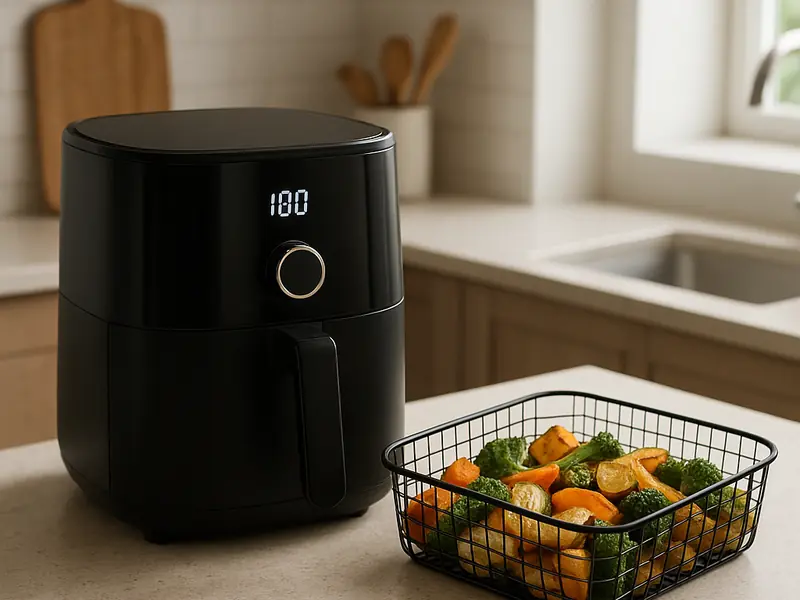
A practical starting point is to think about how air fryers and convection ovens circulate heat. An air fryer is essentially a compact countertop chamber with a basket or rack and a powerful fan. The small space means hot air rushes around the food quickly, creating rapid browning and a crisp exterior with a relatively small amount of oil. Convection ovens, on the other hand, are traditional ovens enhanced with a built in fan. They move air through a larger cavity and support multiple trays and pans. Because of their bigger interior, convection ovens excel at cooking many items at once and handling larger or irregularly shaped foods.
Size and capacity
- Air fryers come in a range from compact two-quart to family-size five or six quart models. The footprint is small, and many users favor them for quick snacks, reheating, or single servings.
- Convection toaster ovens and full size convection ovens offer far more space. They can bake a sheet of cookies, roast a chicken, or reheat a casserole all at once. If you regularly host meals for several people, the convection oven’s larger cavity reduces the number of batches you must run and can be a better fit for weeknight family cooking.
Texture, results, and energy
- Texture and results are the next big distinction.
- Air fryers tend to deliver a crisp, almost fried mouthfeel on foods like french fries, chicken tenders, and vegetables when used with a light amount of oil.
- The rapid air motion can dry out delicate items if you crowd the basket or extend cook times.
- Convection ovens also brown and crisp, but their air flow is gentler relative to the small, high speed chamber.
- They are typically more forgiving with baked goods and larger dishes, offering a more traditional texture profile for roasts, sheets of vegetables, and baked items.
- For certain foods, you may prefer the air fryer’s quick, crisp finish; for larger items or even baking, the convection oven shines.
- Energy use and performance nuance also matter.
- Air fryers heat up quickly because of their small cavity and thermal efficiency, which makes them ideal for quick weeknight cooking.
- They can be excellent energy savers when you are cooking small portions.
- Convection ovens take longer to preheat and consume more energy in a longer cooking session, but they can cook multiple items at once without sacrificing much texture.
- If you frequently prepare big meals or bulk-bake, a convection oven’s capacity and even heat distribution can be more efficient in the long run.
Brand and product landscape
- Brand and product landscape is rich with respected players.
- In the air fryer space, brands such as Instant Brands offer the popular Instant Vortex line with several models emphasizing fast preheat and straightforward controls.
- Philips has foundational influence in air frying with long standing, reliable devices that emphasize even browning.