Understanding how a Roth IRA works in retirement planning
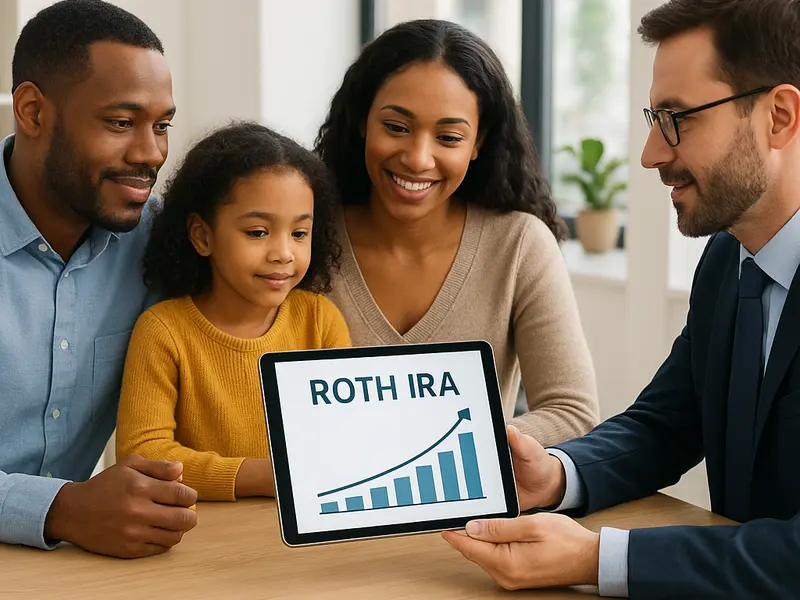
A Roth IRA is a retirement account funded with after tax dollars that grows tax free and allows tax free withdrawals in retirement. It is owned by you and stands apart from traditional tax deferred accounts because you pay taxes up front rather than at withdrawal. This structure can make the Roth a strong complement to other savings vehicles.
The core appeal is simple: you can grow investments without owing taxes on the gains when you withdraw in retirement, provided certain conditions are met. Another key feature is flexibility: there are no required minimum distributions for the original account owner, which can help preserve your savings for longer. You also generally have broad investment choices and can access your contributed funds without penalties, which adds a layer of liquidity that many other retirement accounts do not offer.
In practice the Roth IRA can fit a wide range of situations. It tends to be especially attractive for younger savers who expect higher future tax rates, for investors who want tax diversification in retirement, and for anyone who values tax free income in retirement as a way to manage cash flow and tax brackets later in life.
How Roth IRAs work in practice
- Contributions are made with after tax money and are not deductible in the year they are contributed.
- Growth inside the account is tax free, which means dividends and capital gains do not trigger a tax bill as long as the funds stay in the account.
- Qualified withdrawals are tax free. A withdrawal is qualified if it happens after a certain age and the account has been open for a minimum period, which means you get the money back without taxes.
- You can withdraw contributed money at any time without paying taxes or penalties, though withdrawals of earnings before meeting the rules can trigger taxes and penalties.
- There are income limits that affect whether you can contribute directly to a Roth IRA. If income is too high for direct contributions, many people consider a backdoor Roth strategy with professional tax guidance.
- In addition to standard contributions, you may have the option to convert funds from a traditional IRA or employer sponsored plan to a Roth IRA. Conversions are taxable events because you move money from before tax to after tax status.
- Roth accounts can be used alongside other retirement accounts to diversify tax treatment in retirement, shifting some of the tax burden away from your withdrawals.
Eligibility and contribution rules
- To contribute to a Roth IRA you must have earned income and be within the income limits established by the tax authorities.
- The IRS sets annual contribution limits and adjusts them over time. The actual amount you can contribute depends on your earned income and your tax filing status.
- There is a five year rule that governs when earnings can be withdrawn tax free, separate from the age requirement for other parts of the Roth distribution rules.
- A backdoor Roth is a workaround for higher income earners, but it requires careful timing and precise tax handling to avoid unintended tax consequences.
- Roth IRAs are compatible with a variety of investment choices, from broad index funds to actively managed funds and individual securities, depending on the provider.
Why people choose a Roth IRA
- Tax diversification: having both tax enjoyed accounts and tax deferred accounts can help manage retirement tax exposure.
- Tax free withdrawals: the prospect of tax free income in retirement is a powerful incentive for many savers.
- Flexibility in withdrawals: the ability to withdraw contributed principal without penalty offers liquidity that traditional accounts may not provide.